

Winter in Delhi-NCR, once synonymous with picnics in Lodhi Garden, sunny walks in Sunder Nursery, and leisurely outdoor lunches in Hauz Khas, has been erased by a relentless blanket of smog. For over a month, the Air Quality Index (AQI) has lingered at hazardous levels, forcing residents into a de facto indoor lockdown, trading sunshine for filtered air.
Life in a Filtered Bubble: The Noida Reality
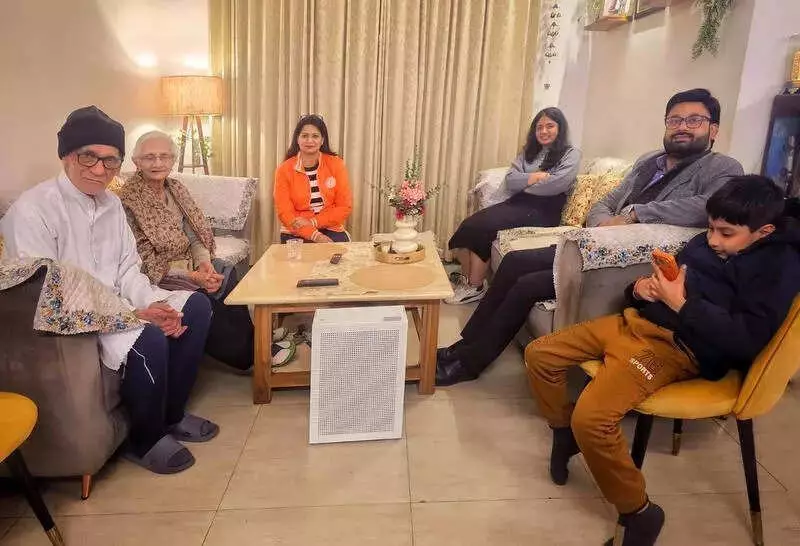
For Neha, an IT entrepreneur living in a ninth-floor apartment in Greater Noida, this seasonal siege is now a grim routine. Windows remain shut most of the day, and air purifiers hum continuously in every room. "Basically, we have to live on filtered air for four months. It seems no different from the lockdown during Covid," she says.
Having spent 12 years in Delhi, Neha has witnessed the air "only get worse." The trade-off for a good urban life, she notes, is breathing poison for a quarter of the year. For her family of five—including her husband Manish, their seven-year-old son, and elderly in-laws Ganesh Shankar (73) and Mamta (72)—every potential outing is now a calculated health risk.

"Even short walks are ruled out on most days. Clean air and a healthy life are basic. Is this too much to ask for?" Neha questions. Manish describes a claustrophobic existence of moving from one filtered space to another, with commutes strictly by car. A desperate attempt to play cricket outdoors left him with a severe allergic reaction, cough, and sore throat.
Gurgaon's Gilded Prison: A New Mother's Confinement
In Gurgaon, Kanak Dwivedi (32) envisioned a comfortable return to family after years in London. Aware of the pollution, she was unprepared for its severity. Since her daughter's birth in early September, her 16th-floor apartment in Adani Oyster Grande has become both a sanctuary and a prison. Three air purifiers run round the clock, and the French windows stay sealed.
"We are basically on house arrest," Kanak states. Their paediatrician's advice was unambiguous: avoid stepping out unless for an emergency. Every trip outside for the baby's medical appointments leaves the infant irritable and unsettled for days.
Her husband, Vikas Panwar (33), who runs a blockchain business, links their anxiety to personal loss. His maternal grandfather, who would fall ill every winter, passed away in 2023. "Sometimes, I feel that if conditions were different, he might have survived longer. We are losing parts of our lives to pollution," Vikas reflects. From yoga to ordering groceries, everything now happens indoors. "Yes, one can get by like this. But is this a way to live?" he asks.
The Ripple Effect: Lost Rituals and Childhood
The impact extends beyond daily routines to fundamental life experiences. Neha laments the loss of Delhi's winter beauty—Akshardham, Red Fort, Humayun's Tomb—now invisible behind the haze. Children are kept from parks, and parents live in constant fear of illness.
The social fabric is fraying too. Ganesh Shankar, a regular morning walker, used to meet his peer group for exercise and conversation. That cherished group activity has been indefinitely suspended, with the fear of asthma and allergic colds confining the elderly to their homes and television screens.
For Kanak's active family, including her in-laws Manju (53) and Vinesh (56), swimming, gymming, and jogging have ground to a halt. Advised to walk after childbirth, Kanak is hindered by a persistent cough. The narrative from both Noida and Gurgaon is unified: the season of mist and mellow fruitfulness has been replaced by one of mist and melancholy confinement, where the simple act of breathing clean air feels like a forgotten luxury.






