New Delhi: With heatwave intensifying, multiple Delhi government departments, including fire services, health, transport, and urban development, have activated a coordinated heatwave response. They are scaling up health infrastructure, public advisories, water supply, and field-level support systems to minimize heat-related illnesses and fatalities.
Lieutenant Governor Reviews Preparedness
Lieutenant Governor Taranjit Singh Sandhu on Monday chaired a meeting of all departments and agencies concerned to review preparedness. He posted on X, "With the onset of summer, directed all officers to ensure that the (heatwave) action plan is effectively implemented on the ground within one week." District magistrates have been asked to take a lead role in execution, with special focus on safeguarding vulnerable groups including women, children, elderly, and labourers through strong heat mitigation measures at public places. Sandhu added that the city's birds and animals would also be looked after. He said progress will be closely monitored to ensure every department fulfils its responsibilities through seamless coordination, prioritizing the well-being of all citizens.
Health Department Measures
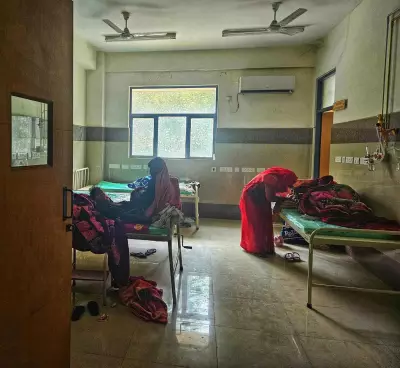
According to a document seen by TOI, the health department has operationalized over 339 centres across all 13 districts where ORS, IV fluids, and ice packs are available. More than 30 designated hospitals have five-bed "cool rooms" to manage heatstroke cases, while 174 medical officers have been trained in heat illness protocols for 2025-26. Community-level outreach has been strengthened through ASHA and ANM workers, who have been sensitized to identify and report cases early. Public advisories detailing do's and don'ts have been issued online, and emergency transport guidelines have been circulated to 330 ambulances.

Fire Services and Emergency Response
An official said Delhi Fire Service had strengthened its emergency response capacity ahead of summer. The fleet has got 35 special water tenders and five multi-articulated water towers, while 24 quick response vehicles equipped with ultra-high pressure water mist systems have already been deployed. Another 26 such vehicles are in the final stages of induction, along with 20 motorcycles fitted with water mist CAF extinguishing systems, to improve rapid response in congested areas. Three vans to carry hazardous materials and a 90-metre hydraulic platform have been ordered through the Delhi Metro pipeline. Fire safety audits of hospitals are also being carried out in coordination with the health and public works departments.
Police and Traffic Police Initiatives
Police have deployed over 11,000 air coolers and nearly 2,000 water coolers at pickets, stations, and booths. ORS packets and essential medicines are being stocked under station house officers, and advisories have been circulated across all units, including specialized wings. Delhi Traffic Police has supplemented these efforts by distributing 40,000 ORS packets and installing water infrastructure at key duty points, with additional stock for peak summer demands.
Labour Welfare and Water Supply
On the labour welfare front, authorities have issued advisories to contractors and others concerned to reschedule working hours, especially during peak heat periods. Labour inspectors have been tasked with ensuring compliance, and special provisions are being made for vulnerable workers, including women and the elderly. Delhi Jal Board has identified infrastructure gaps, including 144 locations lacking water coolers, with a deadline set for end-May. To bridge the summer demand-supply gap, additional tankers, tubewells, and water ATMs are being deployed across the city.
Shelter and Animal Care
Shelter facilities under Delhi Urban Shelter Improvement Board are also being upgraded with cooling equipment, ORS supplies, and expanded capacities near major hospitals. Advisories have been issued for gaushalas and pet owners to ensure hydration, shade, and restricted movement during peak heat hours.