Defective Pregnancy Test Kits Cause False Positive for Teen in Mangaluru
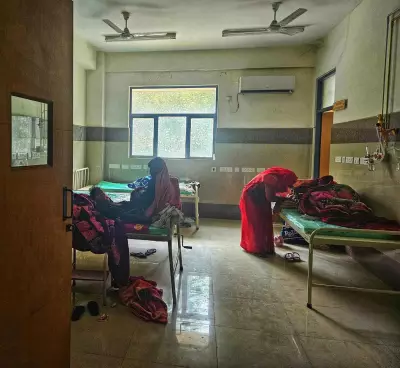
A defective batch of government-supplied pregnancy test kits led to a 13-year-old girl being wrongly identified as pregnant at a primary health centre (PHC) in Dakshina Kannada district, Karnataka. The incident has triggered an inquiry by the Karnataka State Human Rights Commission (KSHRC) and highlighted concerns about medical protocols and equipment quality in public health facilities.
Medical Error and Subsequent Investigation
The girl visited the PHC on July 1, 2025, complaining of fever and severe vomiting. Medical staff conducted a urine pregnancy test twice at the centre, with both tests reportedly showing positive results. Based on these findings, she was referred to a taluk hospital for further evaluation. However, subsequent tests at a private hospital and later at a government hospital confirmed that she was not pregnant, exposing the initial diagnosis as erroneous.
Following a complaint filed by the girl's father with the KSHRC, district health authorities launched an investigation. The inquiry report noted that while the initial tests indicated positive results, the attending doctor should have maintained strict confidentiality and awaited confirmatory scanning before disclosing any information. The report emphasized the need for prudence in handling sensitive cases, particularly involving minors.

Health Officials Respond to Equipment Failure
District health and family welfare officer Dr. HR Thimmaiah addressed the issue, revealing that complaints had been received about a defective batch of pregnancy test kits. In response, additional kits were procured locally to conduct confirmation tests. Dr. Thimmaiah explained that the test was administered due to growing concerns over minor pregnancies in the region, but he criticized the doctor's handling of the situation, stating that the medical professional "failed to act prudently."
Based on the investigation's findings, the administrative medical officer of the PHC received a formal warning and was instructed to exercise greater caution in future cases. This disciplinary action underscores the importance of adhering to medical ethics and procedural safeguards.
Broader Context of KSHRC Caseload
Acting chairman of the KSHRC, T Sham Bhat, provided context on the commission's workload during a press briefing. He disclosed that approximately 3,500 cases are currently pending before the commission. Bhat noted that nearly 8,000 cases were pending between February and November 2023, before the present members assumed office, indicating a significant backlog that the new team is working to address.
Bhat also shared that the KSHRC receives about 600 to 700 complaints every month, with the majority related to issues such as illegal police detention, prison suicides, and similar human rights violations. In Mangaluru specifically, the commission received 29 complaints, with reports obtained in 27 cases, demonstrating ongoing efforts to resolve grievances.
Challenges and Misuse of Human Rights Mechanisms
In his remarks, Bhat highlighted a concerning trend where some organizations are misusing the name of "human rights" for personal gain and threatening officials. To combat this, the KSHRC has directed the police to take action on such complaints and has requested the registrar of cooperative societies to ensure that registered organizations submit annual reports and examine any violations. This move aims to uphold the integrity of human rights advocacy and prevent exploitation of the system.
The commission's proactive approach includes visiting districts to hear public grievances; it recently visited 25 districts and plans to visit Udupi next. These efforts reflect a commitment to accessibility and transparency in addressing human rights concerns across Karnataka.