

Kerala Confirms Chikungunya Cases, Launches Enhanced Surveillance Drive
The state of Kerala has officially reported a cluster of chikungunya cases, raising public health concerns as the monsoon season approaches. In response, the state government has swiftly stepped up surveillance efforts across affected regions and issued a comprehensive advisory to curb the transmission of this mosquito-borne viral illness.
Government Implements Proactive Measures to Combat Outbreak
Health authorities in Kerala have confirmed the detection of chikungunya in several districts, with symptoms including high fever, severe joint pain, and rashes among patients. The state government, led by the Health Department, has activated emergency protocols to monitor and manage the situation effectively.
Key actions taken include:

- Intensified vector control operations, such as fogging and larval source reduction, in high-risk areas.
- Enhanced surveillance at hospitals and primary health centers to track new cases and provide timely treatment.
- Public awareness campaigns advising residents on preventive measures like using mosquito nets and repellents.
- Coordination with local bodies to ensure proper sanitation and eliminate stagnant water breeding sites for mosquitoes.
Advisory Highlights Symptoms and Prevention Strategies
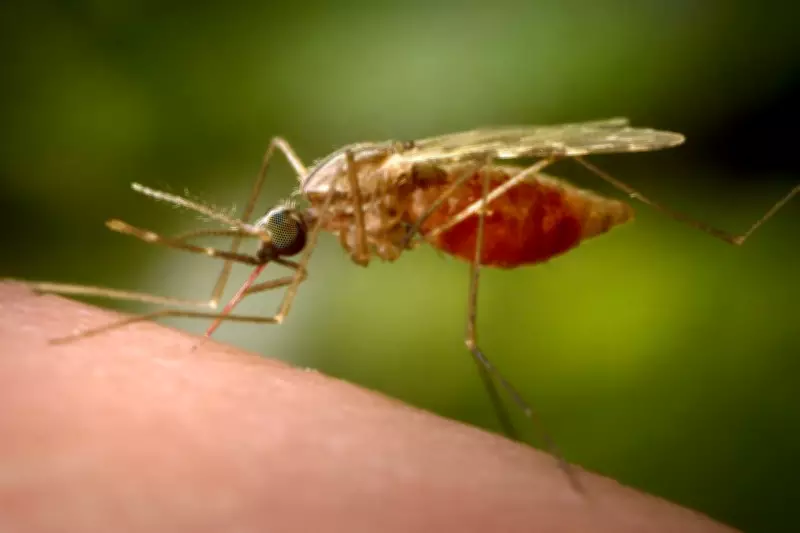
The issued advisory outlines critical information for the public, emphasizing early detection and prevention. Chikungunya, transmitted primarily by Aedes mosquitoes, is not typically fatal but can cause debilitating symptoms that persist for weeks or months.
Common symptoms to watch for include:
- Sudden onset of fever, often reaching high temperatures.
- Intense joint pain, particularly in the hands and feet, which can be severe and prolonged.
- Muscle pain, headache, fatigue, and skin rashes.
Residents are urged to seek medical attention if these symptoms appear, avoid self-medication, and follow doctor-recommended treatments, which usually focus on symptom relief through rest, hydration, and pain management.
Broader Implications and Ongoing Monitoring
This outbreak underscores the ongoing challenges posed by vector-borne diseases in tropical regions like Kerala, especially during seasonal changes that favor mosquito proliferation. The state government has assured the public that it is closely monitoring the situation and will provide regular updates to prevent panic and misinformation.
Health officials stress that while chikungunya is generally non-life-threatening, vulnerable groups such as the elderly, young children, and individuals with pre-existing conditions should take extra precautions. The surveillance efforts are part of a broader strategy to strengthen Kerala's public health infrastructure against infectious diseases, aligning with national guidelines for disease control.
As the state ramps up its response, community cooperation is deemed essential. Residents are encouraged to maintain clean surroundings, report potential mosquito breeding sites, and adhere to the advisory to minimize the risk of further spread. The government remains committed to ensuring swift medical intervention and containment to safeguard public health in the region.






