Chikungunya Alert Issued in Tamil Nadu Amid Rising Cases
Health authorities in Tamil Nadu have issued a significant alert regarding chikungunya, a mosquito-borne viral disease, as cases continue to rise across the state. This development has prompted urgent public health measures to curb the spread and protect communities from potential outbreaks.
Symptoms and Health Risks of Chikungunya
Chikungunya is characterized by a range of symptoms that can severely impact daily life. The most common signs include high fever, often sudden in onset, and severe joint pain, which can be debilitating and persist for weeks or even months. Other symptoms may encompass headache, muscle pain, rash, and fatigue. In some cases, particularly among the elderly or those with pre-existing conditions, complications such as chronic arthritis or neurological issues can arise, highlighting the importance of early detection and management.
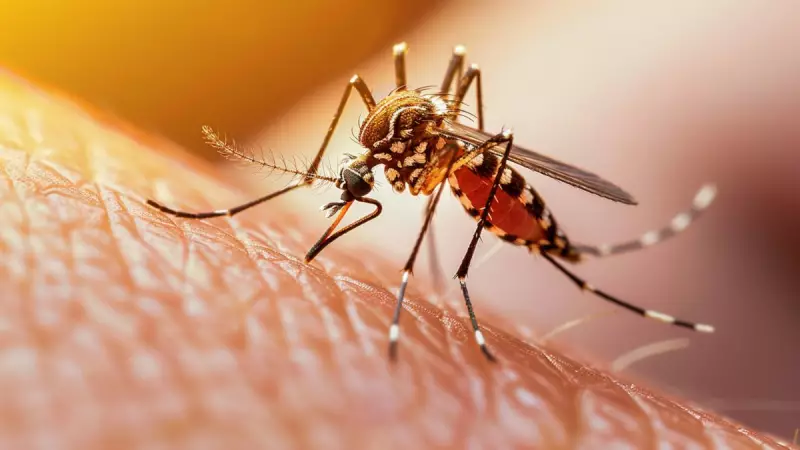
The disease is primarily transmitted through the bite of infected Aedes aegypti and Aedes albopictus mosquitoes, which are also vectors for dengue and Zika viruses. These mosquitoes typically breed in stagnant water, making urban and semi-urban areas in Tamil Nadu particularly vulnerable during the current season.

WHO-Backed Prevention Steps to Mitigate Risks
In response to the alert, health officials are emphasizing prevention strategies endorsed by the World Health Organization (WHO). Key steps include:
- Eliminating mosquito breeding sites: Regularly empty, clean, or cover containers that hold water, such as buckets, flower pots, and discarded tires, to prevent mosquito larvae from developing.
- Using protective measures: Apply insect repellent containing DEET, picaridin, or oil of lemon eucalyptus on exposed skin, and wear long-sleeved clothing and pants, especially during peak mosquito activity times like dawn and dusk.
- Installing barriers: Use window and door screens, and sleep under mosquito nets, particularly in areas with high infestation rates, to reduce the risk of bites indoors.
- Community engagement: Participate in local clean-up drives and public awareness campaigns to collectively reduce mosquito habitats and promote health education.
Additionally, the WHO recommends seeking medical attention promptly if symptoms appear, as there is no specific antiviral treatment for chikungunya, and care focuses on relieving symptoms through rest, hydration, and pain management. Health facilities in Tamil Nadu are being bolstered to handle increased cases and provide supportive care.
Public Health Response and Future Outlook
The Tamil Nadu government, in collaboration with national health agencies, is intensifying surveillance and vector control efforts. This includes fogging operations in high-risk zones, distribution of insecticide-treated nets, and public advisories through media channels. Experts warn that climate factors, such as increased rainfall and humidity, could exacerbate the situation, necessitating sustained vigilance.
By adhering to these prevention steps and staying informed, residents can play a crucial role in mitigating the chikungunya threat. The alert serves as a reminder of the ongoing challenges posed by vector-borne diseases and the importance of proactive public health measures in safeguarding community well-being.