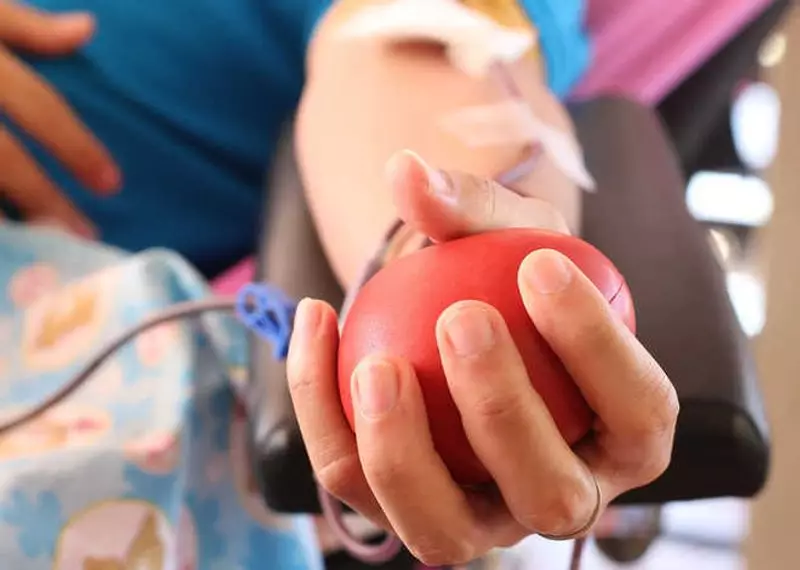
The District Legal Services Authority (DLSA) in Chandigarh took a significant step towards community welfare by organizing a series of blood donation camps. The initiative, held at the District Courts in Sector 43, successfully mobilized legal professionals, court staff, and the general public to contribute to a life-saving cause.
A Collective Effort for a Noble Cause
The blood donation drive was conducted with the active collaboration of the Government Multi-Specialty Hospital (GMSH) in Sector 16. Medical teams from the hospital were present on-site to ensure a smooth, safe, and hygienic donation process for all participants. The camps saw enthusiastic participation from a diverse group of individuals, including advocates, litigants, para-legal volunteers, and court employees.
The primary objective was to bolster blood reserves in the city, with a special focus on supporting children suffering from Thalassemia. This inherited blood disorder requires patients to undergo regular blood transfusions, making consistent blood supply critical for their survival and quality of life.
Leadership and Encouragement
The initiative was spearheaded by Nalin Chaudhary, the Secretary-cum-Principal District and Sessions Judge of DLSA Chandigarh. Judge Chaudhary not only oversaw the arrangements but also actively encouraged everyone present to participate. He emphasized the profound impact a single blood donation can have, potentially saving multiple lives.
In his address, he highlighted the dual importance of the drive: addressing the immediate need for blood and fostering a spirit of social responsibility within the legal community and beyond. His leadership was instrumental in creating a motivating environment for donors.
Impressive Results and Future Impact
The camps yielded a highly positive outcome. Over 70 units of blood were collected during the event, marking it as a substantial contribution to Chandigarh's blood banks. This collection is expected to directly benefit the city's healthcare infrastructure, particularly aiding patients at the Post Graduate Institute of Medical Education and Research (PGIMER) and other government hospitals.
The success of this drive underscores the vital role that institutions like the DLSA can play in public health initiatives beyond their legal mandate. By organizing such camps, the authority bridges the gap between legal services and community healthcare, demonstrating a holistic approach to public welfare.
The event also served as an awareness campaign, educating people about the constant need for blood donations and dispelling common myths surrounding the process. Many first-time donors were guided through the procedure, potentially turning them into regular contributors for future needs.
This initiative by the Chandigarh DLSA sets a commendable precedent for other districts to follow, proving that collective effort can effectively address critical healthcare shortages and build a more resilient community support system.