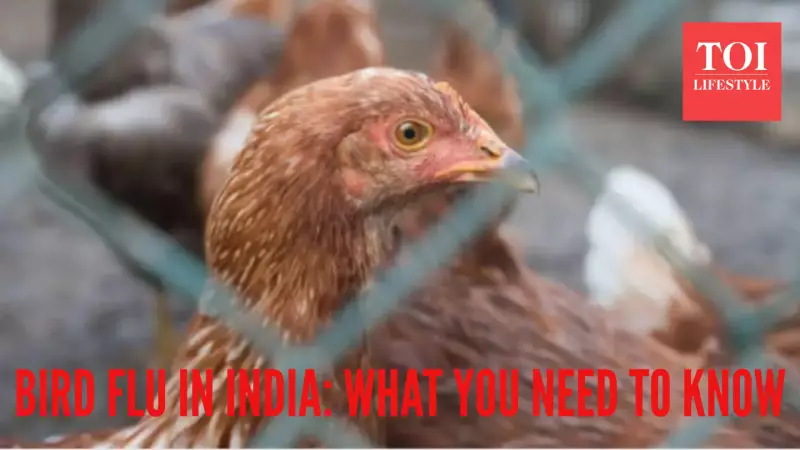
A fresh wave of concern is sweeping across India as avian influenza, commonly known as bird flu, resurfaces with new outbreaks. The highly pathogenic H5N1 virus is at the center of this alert, with recent cases reported in Kerala along the border with Tamil Nadu. This follows earlier waves that affected 10 states, including Andhra Pradesh and Maharashtra, in the first part of 2025.
What's Fueling the Current Bird Flu Crisis?
Official data reveals that India recorded 41 distinct bird flu outbreaks between January and July 2025. While this marks a decrease from the 49 outbreaks seen in 2024, the persistent threat from H5N1 and H9N2 strains keeps authorities vigilant. The virus has demonstrated alarming spread, jumping between commercial poultry farms, backyard flocks, wild crows, and even zoo animals like tigers, lions, and leopards.
The recent alarms in Kerala prompted swift action in neighboring Tamil Nadu, where officials initiated large-scale culling operations and imposed a ban on poultry imports. Surveillance has been intensified at airports and critical wetland areas.

Experts point to multiple factors driving the outbreak:
- Migratory Birds: Warmer winters are altering migration paths for birds from Central Asia, bringing the virus to new southern regions and stressing bird populations.
- Farm Biosecurity Lapses: Small-scale farms often lack proper measures, mix species like ducks and chickens, and workers frequently operate without protective gear.
- Wet Markets & Slaughterhouses: These locations remain potential hotspots for zoonotic transmission from animals to humans.
India's 2021 National Action Plan (NAP) guides the response, emphasizing rapid outbreak reporting, vaccine distribution (including for H9N2), and ring culling with farmer compensation set at Rs 120 per kilogram. No human cases have been reported in the current outbreak, but the risk of spillover remains a serious concern for scientists.
Recognizing Symptoms: From Early Signs to Severe Pneumonia
Initial symptoms of bird flu mimic common seasonal flu and typically appear 1-3 days after exposure to infected birds or contaminated environments. Key early signs to watch for include:
- Sudden high fever (above 38°C or 100.4°F)
- Chills, dry cough, sore throat, and runny nose
- Severe muscle aches and debilitating fatigue
- Headaches and eye pain
- In children: nausea, vomiting, and diarrhea
- Eye redness and swelling (conjunctivitis)
By days 3-5, the infection can escalate to life-threatening pneumonia. Warning signs of severe progression include:
- Difficulty breathing even at rest and chest pain
- Production of thick, bloody sputum
- Rapid breathing and bluish lips, indicating low oxygen (ARDS)
- Wheezing or crackling sounds detected by a doctor
Without prompt ICU care, multi-organ failure can occur. High-risk individuals—such as those with asthma, diabetes, or weakened immunity—face the greatest danger. The antiviral drug Oseltamivir (Tamiflu) is most effective if administered within the first 48 hours of symptom onset.
Who is Most at Risk and How to Stay Protected?
Certain groups have a significantly higher exposure risk:
- Poultry farmers, veterinarians, and slaughterhouse workers
- Live bird market vendors and handlers
- Pet owners with backyard chickens or ducks
- Children playing near water bodies with dead birds
- The elderly and those with pre-existing lung conditions
- Travelers visiting outbreak zones like the Kerala wetlands
Essential Prevention Tips for Families:

- Wash hands thoroughly with soap for 20 seconds after any contact with animals or birds.
- Cook all poultry, eggs, and meat to an internal temperature of 74°C (165°F), ensuring no pink juices remain.
- Avoid raw milk, undercooked eggs, and uncooked foods from affected regions.
- Improve ventilation at home and avoid touching your face with unwashed hands.
- Get an annual flu shot to help bolster overall immunity.
- Use ICMR and state health apps for real-time outbreak alerts in your area.
- Keep N95 masks handy if living near farms and limit visits to live poultry markets.
If you suspect Bird Flu infection: Isolate yourself immediately, wear a mask around family members, and contact your local health center without delay. Diagnosis is confirmed via RT-PCR test of nasal/oral swabs. Treatment for mild cases focuses on rest, fever management with paracetamol, and maintaining hydration while monitoring oxygen levels.
Disclaimer: This article is for informational purposes only and is not a substitute for professional medical advice.