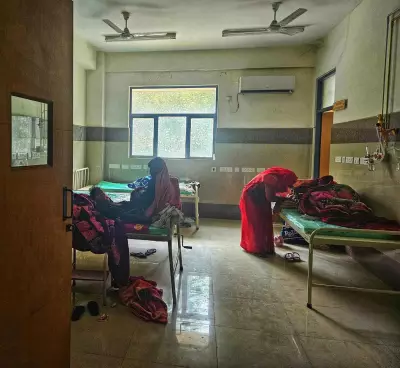
Bhopal, the capital city of Madhya Pradesh, is grappling with a severe public health crisis as cases of respiratory distress surge dramatically. Official data points to worsening air quality as a primary driver behind the alarming increase in emergency calls and hospital visits.
A Grim Trend: Rising Numbers of Respiratory Emergencies
Documents from the 108 ambulance service reveal a disturbing upward trajectory in pollution-related health emergencies. In Bhopal alone, 1,321 cases were recorded in the current period. This marks a significant jump from 985 cases in 2023 and 1,026 cases in 2024, indicating a worsening situation year on year. Across the wider state of Madhya Pradesh, the scale of the problem is even more staggering, with approximately 36,000 similar cases reported. Health authorities note that standard medications are increasingly failing to control the surge in severe respiratory symptoms.
The Pollution Culprit: Unhealthy Air and Urban Factors
Data from the Madhya Pradesh Pollution Control Board (MPPCB) provides a clear link to the health emergency. For a major part of the year, Bhopal's Air Quality Index (AQI) has consistently remained above 100, which is classified as 'unhealthy' for sensitive groups and the general public. This poor air is laden with fine particulate matter, especially PM 2.5, which is known to penetrate deep into the lungs and bloodstream, causing irritation and long-term damage.

Several urban factors compound the problem:
- Dense traffic emissions from vehicles.
- Unchecked construction dust from ongoing projects.
- Industrial and other emissions that get trapped close to the ground during winter, a phenomenon known as temperature inversion.
This toxic mix creates a hazardous breathing environment, particularly during the colder months.
Impact on Public Health and Strain on Systems
The human cost of this pollution is severe and unevenly distributed. Vulnerable groups—including children, the elderly, and individuals with pre-existing heart or lung conditions—are reporting intensified symptoms. These include persistent coughing, wheezing, breathlessness, and extreme fatigue. Local healthcare facilities are experiencing added strain due to the influx of patients.
Medical experts explain that inhaled pollutants cause inflammation in the bronchial passages and can impair the body's immune response. This not only triggers acute attacks but also prolongs recovery time from other illnesses, creating a cycle of poor health. Doctors emphasize that without addressing the root cause—air pollution—the burden on the health system and the suffering of citizens will only increase.
The rising numbers from Bhopal serve as a stark warning about the direct consequences of environmental degradation on community well-being, urging immediate action for cleaner air.