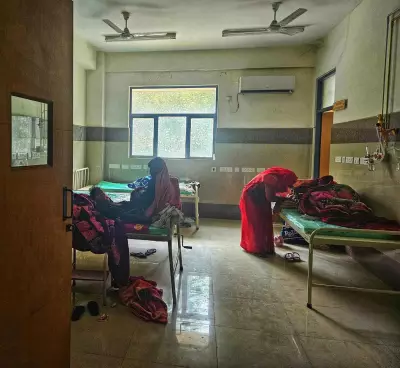
Bengaluru Reports Surge in Respiratory Cases Amid Deteriorating Air Quality
Bengaluru, India's tech capital, is witnessing a concerning rise in respiratory illnesses as the city's air quality continues to worsen. While the direct link to air pollution remains under investigation, medical professionals report that many of the affected patients are non-smokers with no previous history of respiratory problems.
Medical Observations and Patient Demographics
Doctors across various hospitals in Bengaluru have noted a significant influx of patients complaining of respiratory issues such as coughing, wheezing, and shortness of breath. What is particularly alarming is that a large number of these individuals are non-smokers who have never experienced such health problems before. This pattern suggests that environmental factors, including deteriorating air quality, may be playing a crucial role in this health crisis.
Air Quality Data and Environmental Concerns
The Air Quality Index (AQI) in Bengaluru has shown a steady decline over recent months, with particulate matter (PM2.5 and PM10) levels often exceeding safe limits. This deterioration is attributed to a combination of factors including vehicular emissions, construction dust, and industrial activities. Residents have reported increased visibility of smog and haze, particularly during early mornings and late evenings, which correlates with the timing of many respiratory symptom reports.

Public Health Implications and Expert Opinions
Healthcare experts emphasize that while the rise in respiratory illnesses cannot be directly attributed to air pollution alone, the correlation is too significant to ignore. Many patients are presenting with symptoms that typically affect those with pre-existing conditions or smoking habits, yet they lack these risk factors. This has raised concerns about the broader impact of air quality on general population health, especially among vulnerable groups such as children, the elderly, and individuals with compromised immune systems.
Preventive Measures and Recommendations
In response to this situation, medical professionals and environmental agencies are advising several preventive measures:
- Wearing masks when outdoors, especially during peak pollution hours
- Using air purifiers in homes and workplaces
- Avoiding outdoor physical activities when air quality is poor
- Regular monitoring of AQI levels through reliable sources
Authorities are also urged to implement stricter regulations on emissions and dust control to mitigate the environmental impact. The situation calls for immediate attention from both public health officials and environmental policymakers to address this growing concern.