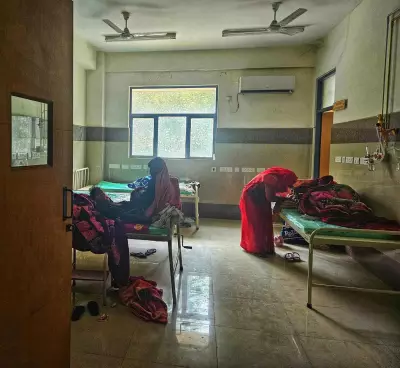
Bangladesh Confirms 94 Child Deaths in Measles Outbreak Spanning 19 Days
Health authorities in Bangladesh have officially confirmed a devastating measles outbreak, reporting that 94 children have lost their lives due to the disease over a period of just 19 days. This alarming surge in cases has raised significant concerns among public health officials and international observers, underscoring the critical need for robust vaccination campaigns and immediate medical interventions.
Rapid Spread and High Mortality Rate
The outbreak, which has been closely monitored by the Directorate General of Health Services (DGHS) in Bangladesh, has seen a rapid escalation in both infections and fatalities. In addition to the 94 confirmed deaths, officials have reported more than 5,000 cases of measles across various regions of the country. The high mortality rate, particularly among young children, highlights the severe impact of the disease in areas with limited healthcare access and lower vaccination coverage.
Measles, a highly contagious viral infection, can lead to serious complications such as pneumonia, encephalitis, and severe dehydration, which are often fatal in malnourished or immunocompromised individuals. The current outbreak in Bangladesh is believed to be exacerbated by factors including gaps in routine immunization programs, population density, and challenges in healthcare delivery, especially in remote and underserved communities.

Government and Health Response
In response to the crisis, Bangladeshi health officials have launched emergency measures to contain the spread of measles and prevent further deaths. These efforts include:
- Accelerated vaccination drives targeting children in high-risk areas.
- Enhanced surveillance and case reporting systems to track new infections.
- Public awareness campaigns to educate families about measles symptoms and the importance of immunization.
- Collaboration with international health organizations, such as the World Health Organization (WHO) and UNICEF, to secure additional vaccines and medical supplies.
The government has also mobilized healthcare workers to provide treatment and support in affected regions, focusing on early diagnosis and management of complications. However, challenges remain, including logistical hurdles in reaching remote populations and addressing vaccine hesitancy in some communities.
Broader Implications for Public Health
This measles outbreak in Bangladesh serves as a stark reminder of the ongoing threats posed by vaccine-preventable diseases, particularly in developing nations. Despite global progress in reducing measles incidence through widespread vaccination, outbreaks continue to occur where immunization rates fall below the recommended threshold of 95% coverage.
The situation in Bangladesh underscores the need for sustained investment in healthcare infrastructure, routine immunization programs, and emergency preparedness. Health experts warn that without urgent action, similar outbreaks could emerge in other regions with vulnerable populations, potentially leading to more child deaths and straining healthcare systems.
As authorities work to control the outbreak, the international community is being called upon to support Bangladesh's efforts through funding, technical assistance, and vaccine donations. The tragic loss of 94 young lives in less than three weeks highlights the urgent imperative to strengthen global health security and ensure that all children have access to life-saving vaccines.