

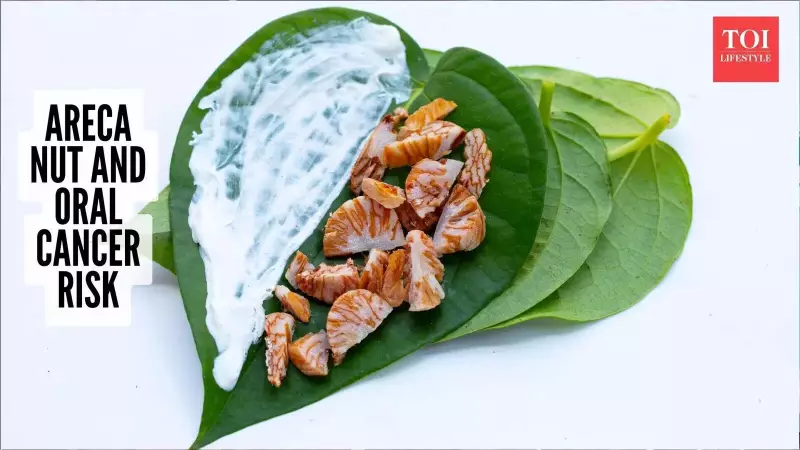
Across South and Southeast Asia, including vast regions of India, the chewing of areca nut, commonly known as betel nut, is a deeply ingrained cultural practice. Millions partake in it daily, often viewing it as a harmless mouth freshener or a social ritual. However, a starkly different narrative emerges from scientific research, revealing a significant public health threat lurking within this tradition.
The Deceptive Nature of a Common Habit
Areca nut is the seed of the areca palm fruit. It is consumed in various forms—raw, dried, or most commonly, wrapped in a betel leaf (paan) with slaked lime. Commercial preparations like pan masala and gutkha, which often include tobacco, sweeteners, and spices, have made its use more convenient and addictive. The nut contains potent alkaloids, primarily arecoline, which directly affect oral tissues and the brain. The slow release of these chemicals during prolonged chewing ensures extended contact with the delicate lining of the mouth.
The Gradual and Insidious Path to Damage
The harm caused by areca nut is cumulative and rarely immediate. The coarse fibers cause constant physical irritation, while arecoline promotes abnormal cell growth. Over time, this dual assault can lead to oral submucous fibrosis (OSF), a precancerous condition where the mouth becomes stiff and opening it turns painful. Sufferers often experience a burning sensation with spicy foods. Critically, OSF is irreversible and carries a high risk of progressing to full-blown oral cancer.

This slow progression allows users to dismiss early warning signs like white or red patches, persistent ulcers, or increasing mouth tightness, delaying crucial medical intervention.
Why Areca Nut is a Potent Carcinogen
The World Health Organization (WHO) has classified areca nut as a Group 1 carcinogen, indicating conclusive evidence that it causes cancer in humans. The chemicals in the nut damage the DNA within mouth cells and simultaneously impair the body's natural repair mechanisms. When combined with tobacco, the risk multiplies exponentially. However, even without tobacco, regular chewing substantially elevates the risk of oral cancer.
Alarmingly, oral cancers linked to areca nut often manifest in younger individuals compared to those caused by smoking, making the habit particularly dangerous when adopted during teenage years.
The Invisible Chains of Addiction
Addiction to areca nut creeps in subtly. Arecoline provides a mild stimulant effect, boosting alertness and offering a fleeting sense of well-being, which the brain begins to crave. The addiction is reinforced by powerful social and emotional ties—the habit is woven into family gatherings, festivals, and daily social interactions. For many, it becomes a coping mechanism for stress, hunger, or boredom. The legal status and cultural acceptance create a false sense of security, masking the physical dependence that develops.
Breaking free from the myth that tradition equates to safety is vital. Natural origin does not preclude cancer-causing properties. Quitting areca nut is the most effective step to reduce future cancer risk, even if some damage has already occurred. Family support and regular dental check-ups are crucial for successful cessation.
Awareness is the foundational step toward change. Understanding the profound damage occurring inside the mouth with every chew can empower individuals to make healthier choices and protect their long-term well-being.
Disclaimer: This article is for informational purposes only and is not a substitute for professional medical advice. Individuals experiencing mouth pain, stiffness, or non-healing sores should consult a qualified healthcare professional promptly.






