Andhra Pradesh Records Dramatic 71.57% Decline in Malaria Cases Over Past Decade
Health department data from Vijayawada reveals that Andhra Pradesh has achieved a substantial reduction in malaria incidence, with new cases dropping by 71.57% over the last ten years. The state reported 7,199 malaria cases in 2025, a significant decrease from the 25,042 cases recorded in 2015.
Recent Trends Show Further Improvement in Malaria Control
The first six weeks of 2025 saw 625 malaria cases, compared to 166 cases during the same period in 2026, representing an additional reduction of 73.44%. Health officials attribute this progress to intensified efforts aligned with the National Framework for Malaria Elimination-2030, with particular emphasis on controlling indigenous malaria transmission.
District-Level Analysis Reveals Concentration of Cases
According to the health report, Alluri Sitarama Raju and Parvathipuram Manyam districts continue to bear the highest malaria burden in the state. The elevated case numbers in these regions are attributed to multiple factors including forested terrain, hilly tribal habitations, seasonal migration patterns, project-related activities, and climatic conditions.

In 2024, these two districts accounted for 80.63% of statewide malaria cases, with Alluri Sitarama Raju reporting 3,693 cases and Parvathipuram Manyam reporting 2,654 cases out of a total of 7,871 cases. The trend continued in 2025, though with improved figures, as the two districts represented 74.91% of cases, with Alluri Sitarama Raju reporting 3,513 cases and Parvathipuram Manyam reporting 1,820 cases out of 7,119 total statewide cases.
Multiple Districts Achieve Near-Zero Malaria Incidence
The data indicates remarkable progress in several districts, with Bapatla, West Godavari, and Konaseema districts reporting no malaria cases over the past three years. Furthermore, East Godavari, Annamayya, Chittoor, and Sri Satya Sai districts reported fewer than five malaria cases each in 2025, demonstrating the effectiveness of control measures across diverse regions.
Comprehensive Vector Control Strategy Implementation
The health department has implemented a multi-pronged approach to malaria control, including:
- Annual indoor residual spraying (IRS – ACM 5%) from April to August in hotspot villages, with additional rounds in affected areas
- Anti-larval operations using chemical applications to prevent mosquito breeding
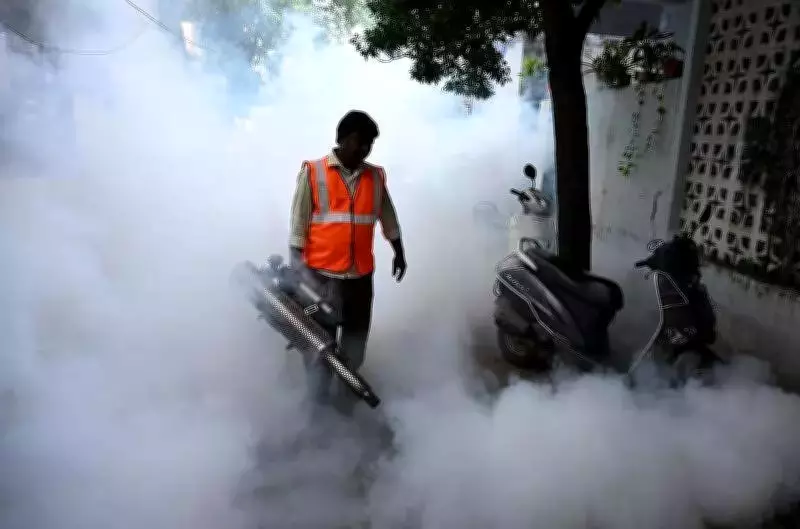
- Regular fogging operations in vulnerable zones
- Release of Gambusia fish in stagnant water bodies to naturally control mosquito larvae
- Drone-based anti-larval spraying in hard-to-reach areas
Preventive Measures and Future Initiatives
As part of ongoing preventive efforts, the state plans to distribute 89,845 mosquito nets to tribal populations in Alluri Sitarama Raju and Parvathipuram Manyam districts. Additionally, fever surveillance has been strengthened with intensified testing in affected areas to identify infection patterns and initiate timely treatment and preventive actions.
The report also notes that alongside malaria, Andhra Pradesh has experienced consistent declines in cases of dengue, chikungunya, food poisoning, and other outbreak-related diseases, indicating broader improvements in public health infrastructure and disease control mechanisms.