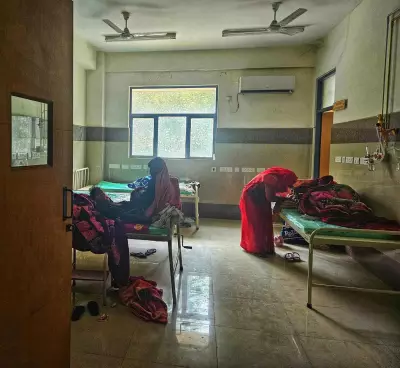
Amritsar's Rural Cancer Crisis: A Growing Public Health Emergency
The escalating cancer burden in the rural regions of Amritsar has transformed into a critical public health challenge, moving from a distant threat to a harsh daily reality for numerous families. This alarming trend underscores deep-seated issues in healthcare access and environmental factors plaguing the countryside.
Late Diagnosis and Awareness Gaps Exacerbate the Problem
Limited availability of early diagnostic facilities combined with insufficient awareness campaigns means that many patients only seek medical help when cancer has progressed to advanced stages. This delay drastically reduces survival probabilities and amplifies the financial pressure on households, pushing them toward economic distress.
Health professionals have noted that the consistent increase in cancer cases around Amritsar highlights a broader rural disadvantage, where infrastructure and education lag behind urban centers. Among the most pressing concerns is the rise in breast cancer among rural women, signaling a gender-specific vulnerability in these communities.

Sharp Rise in Cases Linked to Environmental and Dietary Factors
Dr. Manik Mahajan reported a noticeable surge in cancer cases in Amritsar, particularly in central nervous system cancers. He attributed this trend to a highly polluted environment, consumption of pesticide-contaminated food, and potential radiation exposure. "Pollution in air, water, and diet is a major concern, but radiation exposure also needs closer examination," he stated. However, Dr. Mahajan cautioned that identifying a specific radiation source remains premature, emphasizing an urgent need for comprehensive scientific studies to pinpoint clear causes.
Poverty and Illiteracy Hinder Early Detection Efforts
Dr. Neha Tejpal, who collaborates with women self-help groups across Punjab, observed that cancer has emerged as a significant health challenge in rural Amritsar in recent years. She pointed out that lack of awareness about early symptoms, causes, and prevention often leads to late detection. "People in villages tend to ignore initial warning signs due to poverty and illiteracy," she explained. Even when patients approach government hospitals, they frequently struggle to access timely medicines and treatments, despite the availability of the Ayushman Bharat scheme. Many cancer patients in Amritsar, especially in rural areas, are unable to fully utilize its benefits, compounding their hardships.
Study Reveals Alarming Late-Stage Diagnosis Rates
Dr. Simarpreet Sandhu, managing director of the OTT Foundation, shared findings from a study conducted at a community health center in Abdal, Amritsar. The research revealed that nearly two-thirds of rural breast cancer patients were diagnosed at stage III or IV. "Late-stage detection not only lowers survival rates but also sharply increases treatment costs, placing an immense burden on families," she emphasized, highlighting the dual impact on health and finances.
Amritsar Mirrors Punjab's Broader Cancer Trend
The situation in Amritsar reflects a wider pattern across Punjab. According to estimates from the Indian Council of Medical Research's National Cancer Registry Programme, new cancer cases in the state increased from approximately 39,500 in 2021 to over 42,000 in 2024, marking a rise of about 7% in three years. This data underscores the escalating nature of the crisis beyond local boundaries.
Experts Call for Multi-Pronged Solutions
Health experts stress that reversing this trend, particularly in rural areas, requires a concerted effort focused on:
- Improving awareness through targeted education campaigns
- Strengthening screening services to enable early detection
- Ensuring timely access to care and treatment facilities
Addressing these factors is critical to mitigating the growing cancer burden and safeguarding community health in Amritsar and beyond.