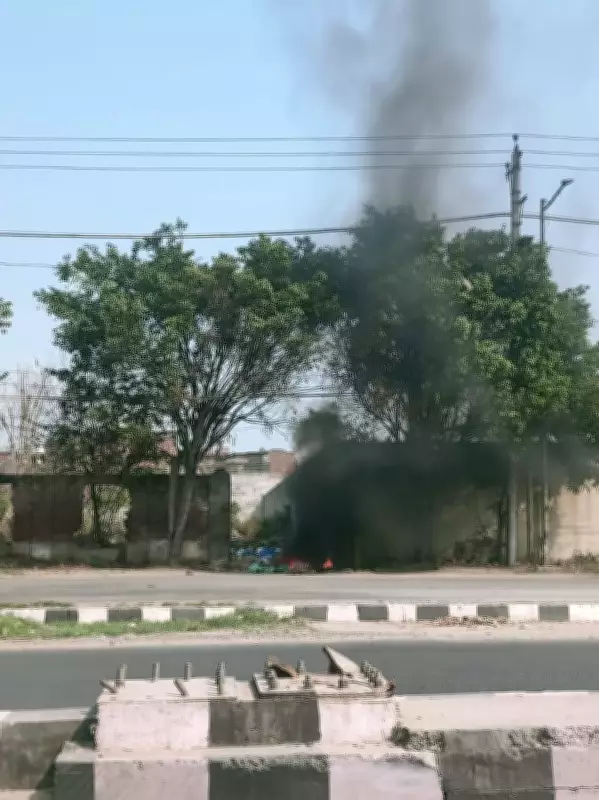
Amritsar Residents Voice Outrage Over Roadside Waste Dumping and Burning
In a growing outcry, residents of Amritsar have flagged severe issues related to roadside waste dumping and burning, highlighting significant public health and environmental risks. The situation has escalated to a point where local communities are demanding urgent action from municipal authorities to address this persistent problem.
Health and Environmental Hazards Escalate
The practice of dumping and burning waste along roadsides has become alarmingly common in various parts of Amritsar. Residents report that this not only creates unsightly and unhygienic conditions but also releases toxic fumes into the air. These emissions pose serious health threats, particularly to children, the elderly, and individuals with respiratory conditions, leading to increased cases of coughing, allergies, and other ailments.
Moreover, the burning of plastic and other non-biodegradable materials contributes to air pollution, exacerbating the city's environmental challenges. This irresponsible disposal method undermines efforts to maintain cleanliness and sustainability, with long-term impacts on soil and water quality in the area.

Residents Call for Municipal Intervention
Frustrated by the lack of effective waste management, residents have organized protests and submitted formal complaints to the Amritsar Municipal Corporation. They are urging authorities to:
- Implement stricter enforcement against illegal dumping and burning.
- Enhance garbage collection services and frequency in affected neighborhoods.
- Promote awareness campaigns on proper waste segregation and disposal.
- Introduce eco-friendly alternatives, such as composting and recycling initiatives.
The community emphasizes that timely action is crucial to prevent further deterioration of living conditions and to safeguard public health. They stress that sustainable solutions are needed to tackle this issue comprehensively, rather than temporary fixes.
Authorities Respond to Public Concerns
In response to the residents' demands, municipal officials have acknowledged the problem and pledged to take corrective measures. Plans are underway to increase surveillance in hotspot areas and impose penalties on violators. Additionally, discussions are being held to upgrade waste management infrastructure and collaborate with local NGOs for community-driven clean-up drives.
However, residents remain skeptical, calling for transparent and consistent efforts to ensure lasting change. The situation in Amritsar serves as a reminder of the broader challenges faced by urban centers in managing waste effectively, underscoring the need for proactive governance and citizen participation.