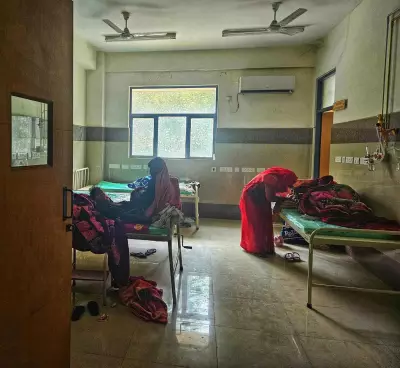
In a significant move to address a critical public health threat, the All India Institute of Medical Sciences (AIIMS) in Gorakhpur has strongly reaffirmed its dedication to combating antimicrobial resistance (AMR). This growing crisis undermines the effective treatment of infectious diseases worldwide, posing a severe risk to modern medicine.
Understanding the AMR Threat
The institute clarified that antimicrobial resistance occurs when bacteria, viruses, fungi, or parasites evolve to withstand the medicines designed to kill them, such as antibiotics. This makes common infections increasingly difficult and sometimes impossible to treat. The direct consequences are prolonged illness, a higher chance of severe complications, and an increased mortality rate. The irrational and unnecessary use of antibiotics is identified as a primary driver of this problem.
National Spotlight and Coordinated Action
Highlighting the issue's urgency, Prime Minister Narendra Modi recently addressed AMR in his monthly 'Mann Ki Baat' broadcast. He referenced a concerning report by the Indian Council of Medical Research (ICMR) that underscored the dangers of antibiotic misuse. This national attention aligns with the government's launch of the National Action Plan on AMR (NAP-AMR 2.0), a strategic blueprint to curb the resistance crisis.

India's plan focuses on a multi-pronged approach that includes:
- Promoting responsible and prudent use of antibiotics across healthcare settings.
- Driving public awareness campaigns to educate citizens on the risks of self-medication.
- Fostering coordinated, multi-sectoral efforts involving health, agriculture, and environmental agencies.
AIIMS Gorakhpur's Role and the Path Forward
By reiterating its commitment, AIIMS Gorakhpur positions itself as a frontline institution in this national fight. The institute's role is crucial in implementing stewardship programs, advancing research, and setting clinical standards for antibiotic use. The collective resolve, from national policy to institutional action, signals a robust Indian response to a global challenge that endangers the health security of millions.