

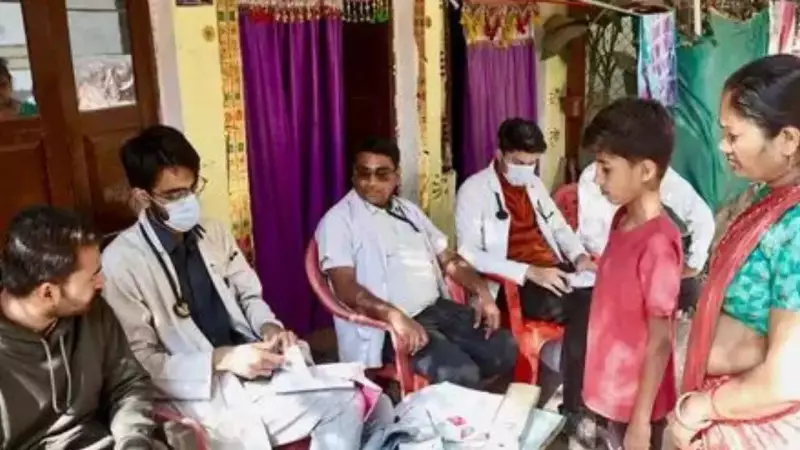
A severe public health crisis has gripped the densely populated Bhagirathpura area of Indore, following the contamination of its drinking water supply with sewage. The outbreak, which began on Monday night, has resulted in nine confirmed fatalities and left hundreds of residents ill with symptoms of vomiting, high fever, and diarrhoea.
Official Confirmation and Source of the Outbreak
On Thursday evening, the Madhya Pradesh government confirmed the death toll. Additional Chief Secretary Sanjay Dubey, in charge of the urban development department, stated that postmortem reports have directly linked at least four of these deaths to the contaminated water. The root cause of the tragedy has been traced to a leak where sewage from a toilet at a local police check post seeped into the main water supply pipeline serving Bhagirathpura.
Health officials have corroborated the contamination. Dr. Madhav Prasad Hasani, Indore’s chief medical and health officer, cited a medical college lab report confirming bacterial contamination in water samples from the area. While the specific bacteria is yet to be identified, District Collector Shivam Verma affirmed the initial lab findings of contamination.

Community Devastated by Loss and Illness
The human cost of the outbreak is staggering and has plunged the community into profound grief. In a heartbreaking incident, private school teacher Sadhana Sahu lost her five-month-old son, Abhyan, after contaminated water was mixed with his milk. "We waited 10 years for him. Now he is gone," she lamented. Her husband, Sunil, described how the infant's mild symptoms on December 26 turned critical by Monday, leading to his death at home before they could reach a hospital.
From Borasi ki Gali, resident Alguram Yadav lost his 65-year-old wife, Urmila, on Sunday. His son, daughter-in-law, and 11-month-old grandson remain hospitalized. "We barely get by. When illness strikes, everything collapses," Yadav expressed, highlighting the vulnerability of the area's residents, most of whom belong to economically weaker sections.
Massive Health Response and Ongoing Crisis
In response to the emergency, health authorities have launched a massive surveillance effort. Teams conducted door-to-door surveys in 1,714 households, examining a total of 8,571 people. Of those surveyed, 338 individuals with mild symptoms received treatment at home. The outbreak has led to admissions across 27 hospitals in the city, with makeshift medical camps set up in the otherwise deserted lanes of Bhagirathpura.
Home to nearly 15,000 people, Bhagirathpura continues to reel under the crisis. Reports indicate that almost every household has one or more members showing symptoms, keeping the community in a state of fear and mourning. The area remains the epicentre of an outbreak that has exposed critical vulnerabilities in urban water supply infrastructure.






