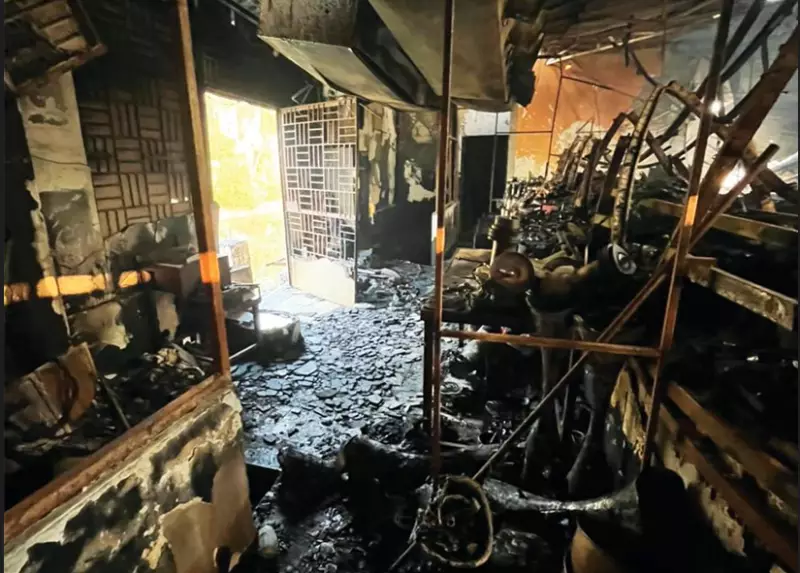
A devastating fire at a nightclub in Arpora, Goa, resulted in the deaths of 25 individuals, with investigations revealing that toxic smoke, not direct flames, was the primary cause of fatality. This tragedy has laid bare severe shortcomings in fire safety enforcement, venue planning, and emergency preparedness across India's high-occupancy entertainment hubs.
The Anatomy of a Tragedy: Why Smoke Became the Killer
The incident at Birch by Romeo Lane unfolded with terrifying speed. Preliminary reports indicate that rapid smoke generation and the release of toxic gases, combined with delayed detection and inadequate evacuation plans, created a fatal environment long before firefighters could control the blaze. Nightclubs, characterized by dim lighting, loud music, dense crowds, and often combustible decor, represent one of the highest-risk categories for assembly occupancy, especially when safety systems are absent or non-functional.
The venue itself was constructed in a salt pan area and featured a semi-permanent structure using a steel framework. While steel provides strength, it offers no fire resistance. This framework was paired with highly flammable interior finishes, which accelerated the spread of fire and the accumulation of deadly smoke. Such structures often exist in a regulatory grey zone, where fire safety norms for permanent buildings are either watered down or poorly enforced.

Systemic Failures and Regulatory Gaps
Under the National Building Code (NBC) of India, 2016, nightclubs are classified as Group D (Assembly Occupancy), a high-risk category due to large numbers of occupants and the potential for panic. The Arpora club's design further reduced chances of survival. Low ceiling heights, suspended ceilings, and dense decorative elements limited the space for smoke to collect, causing it to descend to breathing level much faster, drastically cutting the time available for safe escape.
Investigators noted the extensive use of untreated natural materials like bamboo, wood, and dried palm leaves for decor, popular for a tropical aesthetic but catastrophic in a fire. These materials ignite easily, produce dense, black smoke, and release lethal toxic gases, offering patrons little opportunity to find exits.
Fire Safety: A Constitutional Imperative, Not a Formality
The disaster underscores a critical flaw in how fire safety is perceived and implemented. Fire No Objection Certificates (NOCs) are often treated as one-time checkboxes rather than tools for ensuring ongoing compliance. Oversight frequently checks for the mere presence of equipment like alarms and extinguishers, not their functional performance—whether alarms are audible over music, exits are unobstructed, or systems can control smoke spread.
This tragedy is a stark reminder that fire safety is intrinsically linked to the fundamental right to life under Article 21 of the Indian Constitution. It is a constitutional duty of the state. The Arpora fire was not the result of a single error but a cumulative failure of planning, enforcement, operations, and response.
For venue owners, safety must be a continuous operational priority. For regulators, the incident screams for consistent, performance-based inspections and strict accountability. Existing laws and codes are sufficient; what is missing is their diligent enforcement. As experts state, fire safety codes do not stifle business—non-compliance costs lives.