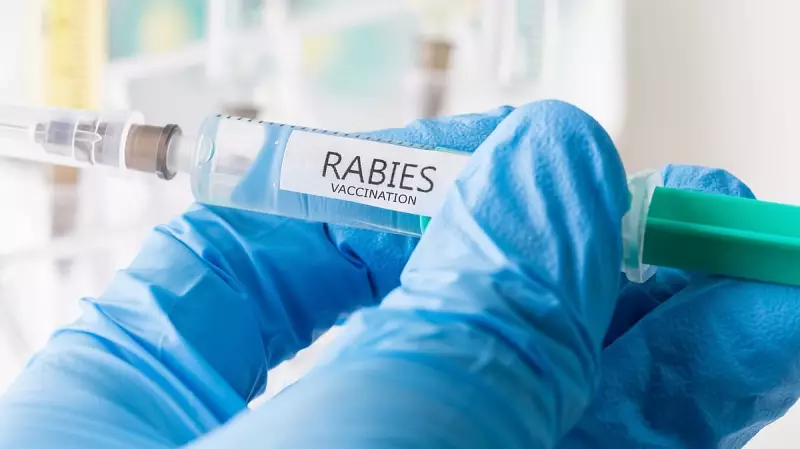
A major health emergency unfolded in a village in Uttar Pradesh after more than 200 people were administered anti-rabies vaccines. The panic was triggered by the consumption of a popular yogurt-based dish, 'raita', prepared using milk from a buffalo that had been bitten by a rabid dog.
The Source of the Contamination
The chain of events began when a dog suspected to be infected with rabies attacked a buffalo in the village. The buffalo later succumbed to its injuries and the suspected infection on December 26. Unaware of the grave danger, villagers used the milk from that same buffalo to prepare raita, which was then consumed by a large number of people.
Following the death of the buffalo, fear and panic about a potential rabies outbreak spread rapidly through the community. Realizing the severe risk of rabies transmission through the contaminated milk, local health authorities sprang into action. A massive vaccination drive was organized to prevent the deadly virus from taking hold.
Massive Vaccination Drive Launched
Health teams worked swiftly to identify and reach everyone who had consumed the tainted raita. Over 200 individuals, including men, women, and children, were given post-exposure prophylaxis (PEP) anti-rabies shots as a critical preventive measure. Rabies is nearly 100% fatal once symptoms appear, making immediate vaccination after exposure essential.
The incident highlights the critical gaps in awareness about rabies transmission routes. While dog bites are the most common source, the virus can also be transmitted through the saliva of an infected animal contaminating mucous membranes or open wounds. The use of milk from an infected animal is a rare but dangerous transmission path.
Broader Implications for Public Health
This event has cast a spotlight on the persistent challenge of rabies in rural India and the importance of robust animal disease surveillance. It underscores the need for:
- Enhanced public awareness about all potential routes of rabies transmission.
- Strengthened veterinary services for timely identification and management of suspected rabid animals.
- Rapid response mechanisms in the public health system to contain such outbreaks.
The swift response by authorities in Uttar Pradesh likely averted a tragic outcome. However, the episode serves as a stark reminder of the ever-present threat of zoonotic diseases and the continuous efforts required in public health education and preventive healthcare in villages across the state and the country.