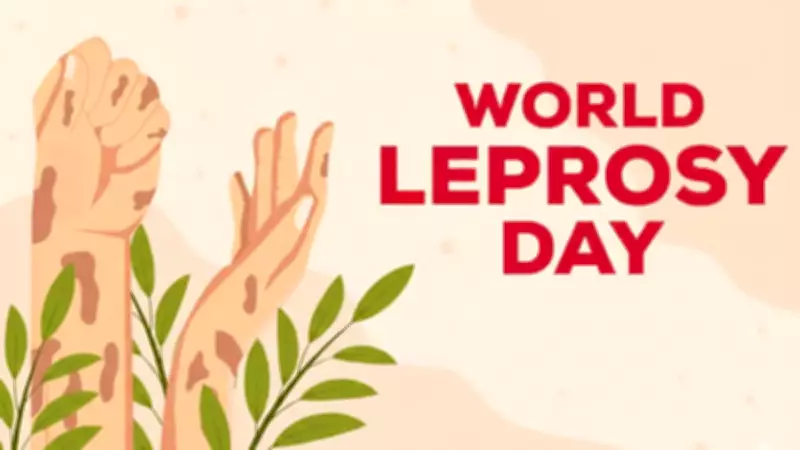
10 Shocking Myths About Leprosy You Still Believe – Debunked with Facts
Leprosy, also known as Hansen's disease, is one of the oldest known human afflictions, yet it remains surrounded by a thick fog of misinformation and stigma in India. Despite significant medical progress and public health initiatives, many persistent myths continue to fuel fear and discrimination against those affected. This article aims to dismantle ten of the most common and shocking misconceptions about leprosy, replacing fiction with evidence-based facts to foster a more informed and compassionate society.
Myth 1: Leprosy Is Highly Contagious and Spreads Easily
One of the most pervasive and damaging myths is that leprosy is extremely contagious, akin to a common cold. The reality is far less alarming. Leprosy is caused by the bacterium Mycobacterium leprae, and it is not easily transmitted. It requires prolonged, close contact with an untreated individual over months. Casual contact, such as shaking hands or sharing a meal, does not spread the disease. The majority of people have a natural immunity to the bacteria, which further limits its spread.
Myth 2: Leprosy Causes Body Parts to Fall Off
This gruesome image, often perpetuated by historical depictions and folklore, is entirely false. Leprosy does not cause fingers, toes, or limbs to spontaneously detach. The disease primarily affects the nerves, skin, eyes, and lining of the nose. Nerve damage can lead to a loss of sensation, making injuries and infections more likely. If these secondary infections go untreated due to the lack of feeling, they can cause tissue damage and deformities over time, but the disease itself does not result in body parts falling off.

Myth 3: Leprosy Is a Curse or Divine Punishment
Rooted in ancient cultural and religious beliefs, this myth has no basis in science. Leprosy is a bacterial infection, plain and simple. It is not a curse, a punishment for past sins, or a sign of moral failing. Such superstitious beliefs only serve to deepen the social isolation and psychological trauma experienced by patients, hindering their access to care and support.
Myth 4: Leprosy Is Incurable
This is perhaps one of the most harmful misconceptions. Leprosy is entirely curable with modern multidrug therapy (MDT). The World Health Organization provides MDT free of charge globally. When diagnosed and treated early, the disease can be completely cured, preventing disabilities and stopping transmission. Treatment typically involves a combination of antibiotics taken over 6 to 12 months, depending on the severity.
Myth 5: Only Poor or Unhygienic People Get Leprosy
Leprosy does not discriminate based on socioeconomic status or personal hygiene. While poverty and overcrowded living conditions can increase the risk of transmission due to closer contact, the bacterium can infect anyone. Cases have been reported across all social strata. Good hygiene practices are always beneficial for overall health but are not a specific shield against leprosy infection.
Myth 6: Leprosy Is Hereditary
There is no genetic inheritance of leprosy from parent to child. The disease is acquired through bacterial infection, not passed down through genes. However, some individuals may have a genetic predisposition that affects their immune response to the bacteria, making them more susceptible. This is different from hereditary transmission and does not mean the disease will automatically occur in family lines.
Myth 7: You Can Get Leprosy from Touching an Affected Person
As mentioned earlier, transmission is not that straightforward. The primary mode of transmission is through droplets from the nose and mouth during close and prolonged contact with an untreated case. Simple touch, such as hugging or using the same objects, poses minimal to no risk, especially if the person is undergoing treatment, which quickly makes them non-infectious.

Myth 8: Leprosy Patients Must Be Isolated from Society
Historical practices of isolating leprosy patients in colonies or sanatoriums are outdated and medically unnecessary. With effective treatment, patients become non-infectious within a short period, often just days after starting medication. They can continue to live with their families, work, and participate fully in community life without posing any risk to others.
Myth 9: All Skin Patches Indicate Leprosy
Not every skin patch or discoloration is a sign of leprosy. Many skin conditions, such as vitiligo, eczema, or fungal infections, can cause similar symptoms. A key characteristic of leprosy patches is that they are often accompanied by a loss of sensation—you cannot feel touch, pain, or temperature changes in the affected area. Only a medical professional can provide a proper diagnosis through clinical examination and, if needed, a skin smear test.
Myth 10: Leprosy Is a Disease of the Past
While great strides have been made in reducing prevalence, leprosy is not eradicated. India still reports a significant number of new cases each year, making it a contemporary public health concern. Ongoing efforts in early detection, treatment, and rehabilitation are crucial. Complacency can lead to a resurgence, underscoring the need for sustained awareness and healthcare infrastructure.
Moving Forward: Awareness and Action in India
Dispelling these myths is not just an academic exercise; it is a vital step toward eliminating the stigma that surrounds leprosy in India. Misinformation leads to fear, discrimination, and delayed treatment, which can result in preventable disabilities. By embracing facts, we can:
- Encourage early diagnosis and treatment, improving health outcomes.
- Foster social inclusion and support for affected individuals and their families.
- Strengthen public health campaigns to reach vulnerable communities.
- Align with national and global goals to eliminate leprosy as a public health problem.
Education is our most powerful tool. Share accurate information, challenge misconceptions when you hear them, and support organizations working on the ground. Together, we can replace fear with knowledge and compassion, building a healthier and more equitable society for all.