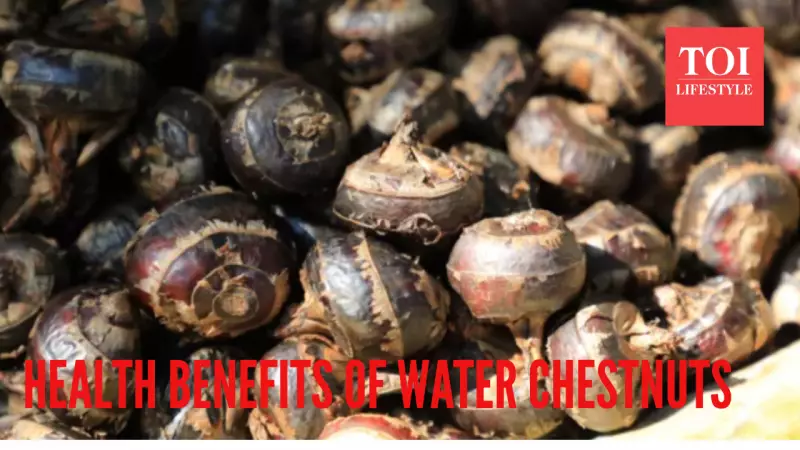
Often overlooked for its mild flavour, the humble water chestnut, known locally as singhaada, is a powerhouse of nutrition cultivated underwater. This crisp vegetable is remarkably low in calories but densely packed with essential nutrients like potassium, dietary fibre, and potent antioxidants. These components work in synergy to promote digestive health, support cardiovascular function, and offer a spectrum of additional wellness advantages.
A Natural Shield for Your Heart
Scientific research underscores the cardiovascular benefits of a potassium-rich diet, linking it to a 24% reduction in stroke risk and better management of high blood pressure. Potassium plays a crucial role in regulating sodium levels in the body, thereby diminishing the risk of heart disease and enhancing blood circulation. Notably, the peel of the water chestnut is rich in antioxidants that fight inflammation, a key culprit in arterial damage, and help control cholesterol. For individuals with hypertension, regular consumption can aid in maintaining stable heart rhythms and strengthening blood vessels. Incorporating sliced water chestnuts into your daily meals is particularly beneficial for counteracting high salt intake, thanks to the vegetable's naturally low sodium content.
Combatting Inflammation and Free Radicals
Water chestnuts are a valuable source of antioxidants, including catechins and flavonoids, which actively work to eliminate harmful free radicals from the body. This action reduces systemic inflammation, which is often at the root of conditions like arthritis, heart problems, and other chronic diseases. Studies indicate that extracts from water chestnuts exhibit superior radical scavenging properties and lower the production of pro-inflammatory cytokines, leading to a reduction in bodily swelling. The peel, in particular, contains the most effective antioxidant compounds, offering protection against cellular damage and slowing down oxidative stress that accelerates ageing. Whether consumed boiled or raw, these compounds help manage joint pain and gut inflammation, with research showing a decrease in harmful H2O2 cell accumulation.

Supporting Digestion and Weight Management
With a low FODMAP rating, water chestnuts are an excellent food choice for those with Irritable Bowel Syndrome (IBS), as they are unlikely to cause bloating from hard-to-digest carbs while still nourishing beneficial gut bacteria. The dietary fibre acts as a cholesterol binder, illustrating the direct link between digestive and heart health. Furthermore, their high water content keeps the intestines hydrated, ensuring smooth passage of food and relieving discomfort. Traditionally, water chestnut juice has been used to strengthen the spleen and improve appetite in both children and adults.
The trifecta of being low in calories, high in fibre, and composed of nearly 90% water makes water chestnuts an effective tool for weight management. They promote a feeling of fullness quickly, help control blood sugar levels, and prevent hunger pangs. Their satisfying crunch also makes them a nutritious alternative to calorie-dense snack chips. The potassium they provide is essential for safely shedding excess water weight. Including them in salads and stir-fries adds volume and satisfaction to meals without a significant calorie cost, aiding long-term dietary success.
Beyond these primary benefits, emerging research suggests water chestnuts possess anti-cancer properties with the potential to suppress tumours. They also combat the oxidative stress linked to the development of type 2 diabetes and other chronic conditions. This versatile vegetable can be enjoyed raw for hydration, stir-fried, or juiced, all without causing spikes in blood sugar levels, cementing its status as a superfood for modern, active lifestyles, especially in hot climates.