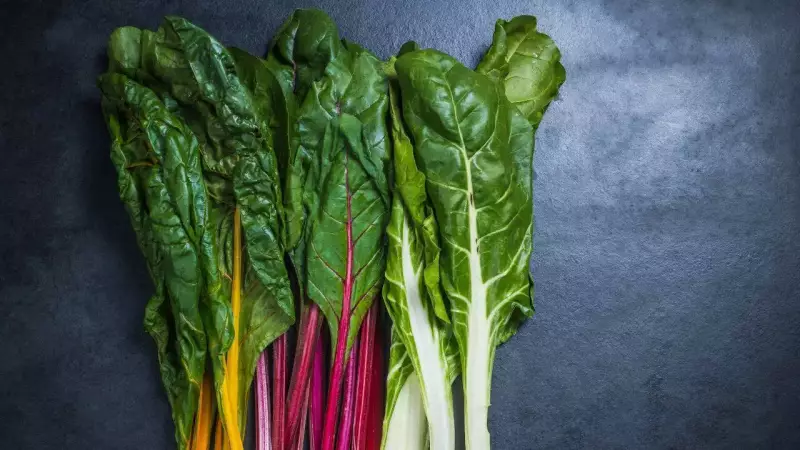
Move over kale and spinach, there's a new leafy green capturing the attention of health-conscious Indians. Swiss chard, with its vibrant stalks and nutrient-dense leaves, is emerging as a powerful superfood tailored to address modern health concerns like obesity, heart disease, and diabetes. As the search for functional foods that offer more than just basic nutrition intensifies, this humble vegetable is stepping into the spotlight.
What Is Swiss Chard And Why Is It Special?
Swiss chard is immediately recognizable by its large, glossy green leaves and strikingly thick stalks that shine in colours ranging from white and yellow to deep red and orange. These colours are not merely decorative; they signal the presence of potent natural pigments called betalains, typically found in beets. Belonging to the same plant family as beets and spinach, chard offers a unique nutritional profile. A review published in the journal Plants highlights that these betalains possess significant antioxidant and anti-inflammatory properties, which help protect cells from damage linked to chronic diseases. This combination of visual appeal, botanical lineage, and scientific backing makes Swiss chard a distinguished contender in the world of leafy greens.
Top Health Benefits For The Indian Diet
For Indians navigating rising lifestyle health issues, Swiss chard presents a practical dietary solution. It is exceptionally low in calories yet high in volume and fibre, making it an excellent food for weight management by promoting satiety. The fibre also aids digestion and helps regulate blood sugar by slowing carbohydrate absorption after meals—a key factor in diabetes prevention. Its rich potassium content supports healthy blood pressure, directly benefiting heart health. Furthermore, the vitamins A and C in chard strengthen the immune system, while antioxidants like betalains contribute to long-term cell protection and cancer prevention. Minerals such as magnesium and iron support energy metabolism, nerve function, and healthy blood, making it a truly multi-tasking vegetable.

How To Easily Add Swiss Chard To Your Daily Meals
Integrating Swiss chard into an Indian kitchen is remarkably simple, requiring no major diet overhaul. Its mild flavour ensures it doesn't overpower dishes. The leaves cook down quickly and become tender, while the stems retain a pleasant, slightly sweet crunch. For everyday cooking, try sautéing chopped leaves and stems with mustard seeds, cumin, garlic, and onions in a touch of olive oil or ghee. It can be effortlessly stirred into dals, curries, soups, and lentil stews for a nutritional boost. Younger, tender leaves are perfect for fresh salads or used as healthy wraps. You can also blend a handful into morning smoothies or mix it into pasta, rice dishes, and omelettes. It's a versatile, practical green that makes healthy eating uncomplicated.
Disclaimer: This information is for general awareness and is not a substitute for professional medical or dietary advice. Always consult a healthcare provider for personalised guidance.