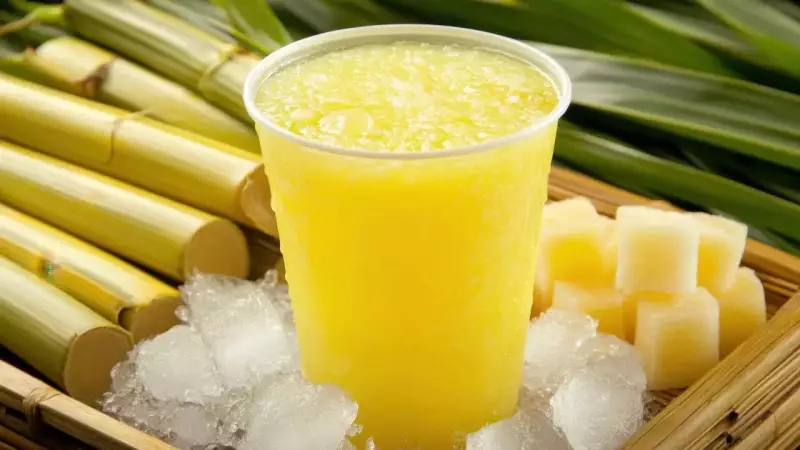
In the bustling streets of India, few sights are as iconic as the sugarcane juice vendor, pressing the fibrous stalks into a sweet, greenish-gold elixir. This beverage stands apart in the modern world of packaged drinks: it is produced and consumed on the spot, often within minutes of extraction. Unlike the refined sugar it is famous for producing, the juice itself is consumed in its raw, unrefined, and unstabilised form. This unique journey from stalk to glass gives it a distinct sensory and nutritional identity, setting it apart from both commercial soft drinks and plain table sugar.
What's Really in Your Glass? The Nutritional Breakdown
To understand sugarcane juice, one must look at the cane stalk's biological role as a storage unit for carbohydrates. The juice is overwhelmingly water, making up more than three-quarters of its volume. This high water content influences its mouthfeel and how quickly it leaves the stomach. The dissolved solids, however, are nutritionally potent and rapidly absorbed by the body.
The primary energy source is carbohydrates, with sucrose dominating the profile. Only minor amounts of free glucose and fructose are present. Notably, its total sugar concentration is exceptionally high for a beverage, often surpassing that of many packaged fruit juices. On the micronutrient front, potassium is a consistent find, reflecting its role in plant fluids. Calcium, magnesium, and phosphorus are present in smaller, soil-dependent amounts. Trace elements of B-group vitamins and unstable Vitamin C are also detected, though Vitamin C degrades quickly after exposure.

A fascinating aspect is the presence of plant-derived compounds like phenolic acids and flavonoids, which contribute to its measured antioxidant capacity. Importantly, the juice contains negligible amounts of protein, fat, and dietary fibre.
The Immediate Effects: Energy Boost and Hydration
Scientific interest in sugarcane juice often centres on the body's immediate response rather than long-term health outcomes. The liquid sugars are absorbed swiftly, leading to a rapid spike in blood glucose and a corresponding insulin response in healthy individuals. This translates to a quick surge in energy availability, explaining its popularity among labourers and in hot climates.
The fluid and electrolyte content, particularly potassium, aids in rehydration and can help restore plasma volume, especially after sweat loss. Laboratory studies on fresh juice confirm antioxidant activity, which is linked to its phenolic compounds. However, this antioxidant potential diminishes significantly if the juice is stored for several hours.
Understanding the Risks: Sugar, Microbes, and Contaminants
Despite its natural appeal, consuming sugarcane juice comes with specific concerns rooted in its high sugar density and the lack of heat treatment. The primary risk is its astronomical free sugar content, which causes sharp blood glucose elevations and can contribute excessively to daily sugar intake, especially with repeated consumption. Its liquid form means these sugars bypass the natural digestive delays caused by chewing and fibre.
As an unpasteurised drink pressed in open environments, it is vulnerable to microbial contamination. Studies, including one in the International Journal of Preventive Medicine, have noted that coliform bacteria can be introduced via unclean equipment, while yeasts and mould spores can multiply during ambient storage, leading to fermentation. Furthermore, pesticide residues from farming practices and trace heavy metals from contaminated soil can find their way into the juice. The absence of pasteurisation allows these microorganisms to remain active.
Who Should Exercise Extra Caution?
Certain population groups need to be particularly mindful due to their physiological state or health conditions.

- Diabetics and those with insulin resistance will experience significant and prolonged rises in blood sugar levels.
- Individuals with chronic kidney disease must monitor the potassium load from such liquids.
- Pregnant women, infants, the elderly, and immunocompromised persons face higher risks from foodborne pathogens in raw, unpasteurised drinks.
- Those managing weight may underestimate the liquid calories, and people prone to dental erosion are exposed to fermentable sugars in a cavity-friendly liquid form.
Ultimately, sugarcane juice remains a beloved part of Indian culinary culture, prized for its immediate sweetness, cooling effect, and affordability. Enjoying it requires an awareness of its potent sugar hit and the importance of sourcing it from hygienic vendors who serve it fresh. It is a drink of instant gratification, not a health elixir, and is best consumed occasionally with full knowledge of its impacts.