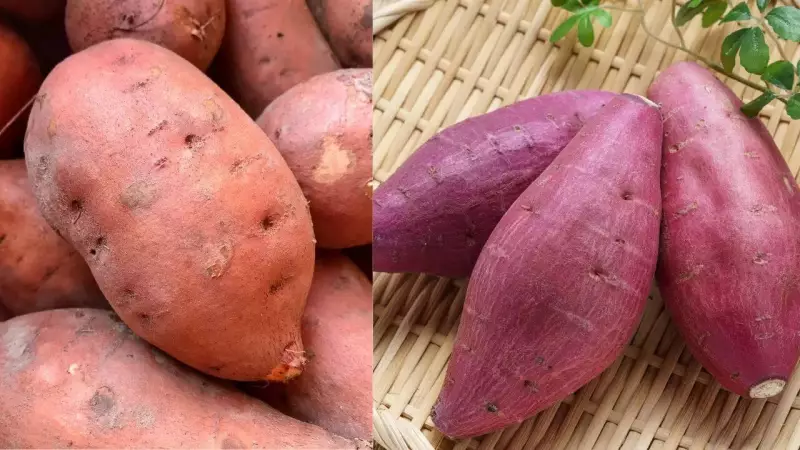
As winter markets glow with vibrant heaps of root vegetables, a familiar choice presents itself: the classic orange sweet potato or its striking purple cousin. While both promise warmth and comfort, the colour of their skin signals a deeper story of distinct nutritional profiles and health impacts.
Nutritional Showdown: Anthocyanins vs Beta-Carotene
The core difference lies in their pigments. Orange sweet potatoes are renowned for their high beta-carotene content, which the body converts into Vitamin A. This nutrient is crucial for maintaining good eyesight, supporting immune function, and ensuring regular bodily repair. The age-old wisdom that orange sweet potatoes are good for the eyes holds solid scientific truth.
In contrast, the rich hue of purple sweet potatoes comes from powerful antioxidants called anthocyanins. A study published on PMC notes that these tubers contain concentrated levels of these compounds. Anthocyanins are not merely for colour; they act as strong antioxidants that may influence inflammation, combat oxidative stress, and support long-term cellular health.

Health Benefits and Bodily Impact
The health advantages of each variety align with their dominant pigments. For orange sweet potatoes, the path is straightforward: beta-carotene to Vitamin A, leading to direct support for night vision, eye moisture, and immunity. The antioxidant benefit is present but is delivered through this Vitamin A pathway.
Purple sweet potatoes offer a different kind of support. Research indicates that anthocyanins remain active even after cooking and are linked to anti-inflammatory and antioxidant effects that may slow natural cellular wear. Some findings also suggest these compounds can help regulate the body's blood sugar response, offering gentle, long-term metabolic support rather than a dramatic fix.
Taste, Texture, and Culinary Uses
Beyond nutrition, the two types diverge significantly in the kitchen. Orange sweet potatoes soften beautifully when cooked, becoming sweet and creamy. They are perfect for blending into soups, making mashes, adding to stews, or creating desserts, often pairing well with warm spices like cinnamon.
Purple sweet potatoes are typically firmer and drier with an earthier flavour. They hold their shape well, making them ideal for roasting, adding to savoury dishes, or using in recipes where visual appeal is key. Their vivid colour naturally turns smoothies, pies, and baked goods into stunning, eye-catching creations without artificial dyes.
Both varieties provide complex carbohydrates for steady energy release, dietary fibre for digestive health, and essential minerals. Compared to white potatoes, both generally have a lower glycaemic index, with purple types potentially having a slight edge, which can be helpful for blood sugar management.
The Final Verdict: Which One Should You Choose?
Declaring one universally "healthier" is misleading. The choice depends on your health priorities. Choose orange sweet potatoes for robust Vitamin A and direct eye health support. Opt for purple sweet potatoes for a potent dose of anthocyanins and antioxidant defence.
In practice, most shoppers select based on taste, recipe needs, price, and habit. The smartest approach for a balanced winter diet is to incorporate both. This ensures you reap the unique benefits of each—antioxidant depth from the purple and Vitamin A strength from the orange—while enjoying colour, comfort, and steady nutrition on your plate.
Disclaimer: This information is intended for educational purposes only and is not a substitute for professional medical or nutritional advice. Always consult certified experts for personalised recommendations.