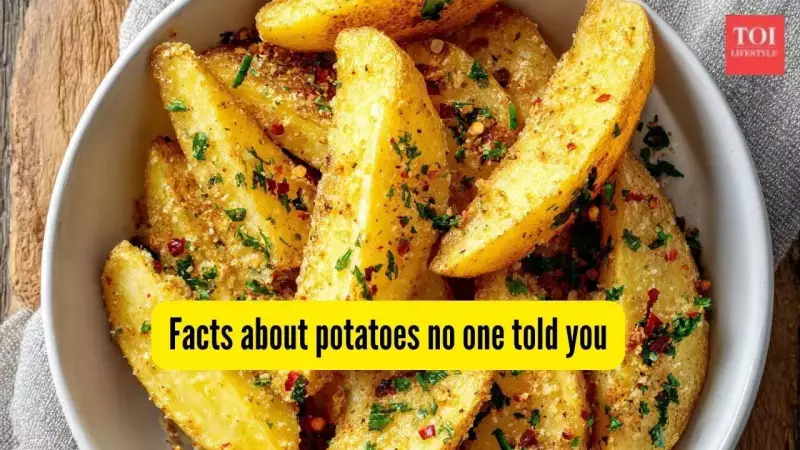
In the world of diet and nutrition, few foods are as misunderstood as the humble potato. Often branded as an unhealthy carb and banished from weight-loss plans, this versatile staple of Indian and global cuisines faces an unfair reputation. But are potatoes truly the villain they are made out to be? According to nutrition research, the answer is a resounding no.
Expert Insights: Separating Fact from Fiction
Aman Puri, founder of Steadfast Nutrition, has spent years analyzing foods commonly labeled as 'good' or 'bad'. He argues that such classifications are often subjective. Puri systematically addresses the deep-rooted myths about potatoes that many Indians have grown up believing.
Myth 1: Potatoes Are Just Empty Calories
The belief that potatoes offer no real nutrition is a widespread fallacy. The truth is quite the opposite. Potatoes are naturally low in calories, cholesterol, and fat. They are a valuable source of dietary fibre, vitamin C, vitamin B6, and potassium. Beyond basic carbs, they contain resistant starch, which functions as a prebiotic. This promotes a healthy gut microbiome, offering digestive benefits that go far beyond mere energy provision.

Myth 2: Potatoes Are Inherently Fattening
Potatoes themselves are not fattening; they are naturally low in fat. The culprit for weight gain is typically the cooking method and accompanying ingredients. Dishes like French fries, cutlets, tikkis, and chilli potatoes are high in fat and calories due to deep-frying. Opting for simpler methods such as baking, roasting, or grilling significantly reduces calorie and fat intake, making potatoes a perfectly healthy choice.
Myth 3: Potatoes Are Bad for Diabetics
While potatoes have a moderate to high glycemic index (GI), which can influence blood sugar levels, they are not off-limits for diabetics. The key is portion control and preparation. Boiling potatoes and then cooling them converts their starch into resistant starch, which behaves more like fibre and helps prevent sudden blood sugar spikes. Furthermore, pairing potatoes with protein and fibre-rich vegetables can help manage glucose response effectively.
Myth 4: Potatoes Contain Only Unhealthy Carbs
Carbohydrates are essential for energy, and completely eliminating them can lead to fatigue. The complex carbohydrates and fibre in potatoes provide sustained energy and enhance satiety, which can actually prevent overeating. Demonising all carbs ignores the nutritional complexity of foods like potatoes, which offer more than just starch.
Healthy Ways to Include Potatoes in Your Diet
Integrating potatoes into a balanced diet is simple with the right approach. Here are expert-recommended tips:
- Cook Right: Choose baking, roasting, or grilling over deep-frying to minimise unhealthy fat.
- Pair Correctly: Combine potatoes with sprout salads, egg salads, or seasonal high-fibre vegetables to boost the meal's nutritional profile.
- Drain Excess Starch: Soaking cut potatoes in water leaches out excess starch, which can help lower their glycemic index.
- Cool Them Down: Allowing cooked potatoes to cool facilitates the formation of beneficial resistant starch.
The ultimate takeaway is that how you cook and consume potatoes matters most. Practising portion control and avoiding deep-frying are crucial steps. By pairing them with green leafy or other fibrous vegetables, you can enjoy this nutritious and versatile food without guilt.