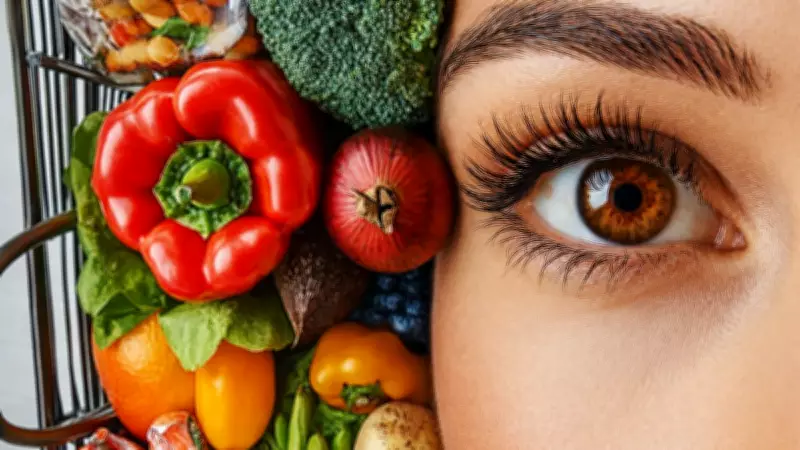
Essential Nutrition for Healthy Eyes: Top Foods for Long-Term Vision Protection
Maintaining optimal eye health is crucial for preserving clear vision throughout life, and nutrition plays a pivotal role in this process. A diet rich in specific vitamins, minerals, and antioxidants can significantly reduce the risk of age-related eye conditions such as macular degeneration and cataracts. By incorporating certain foods into your daily meals, you can support the long-term health of your eyes and enhance visual acuity.
Key Nutrients for Eye Health
Several essential nutrients are vital for protecting and improving eye function. These include:
- Vitamin A: This vitamin is fundamental for good vision, particularly in low-light conditions. It helps maintain the cornea and supports the retina's light-sensitive cells.
- Vitamin C: As a powerful antioxidant, Vitamin C combats oxidative stress that can damage eye tissues. It also contributes to the health of blood vessels in the eyes.
- Vitamin E: Another potent antioxidant, Vitamin E protects eye cells from free radical damage, which is linked to age-related vision decline.
- Zinc: This mineral aids in the production of melanin, a pigment that protects the eyes, and helps transport Vitamin A from the liver to the retina.
- Lutein and Zeaxanthin: These carotenoids act as natural sunblock for the eyes, filtering harmful blue light and reducing the risk of macular degeneration.
- Omega-3 Fatty Acids: Essential for retinal health, Omega-3s help reduce inflammation and support proper drainage of intraocular fluid, lowering the risk of dry eyes and glaucoma.
Top Foods to Include in Your Diet
To ensure you receive these crucial nutrients, consider adding the following foods to your regular diet:

- Leafy Green Vegetables: Spinach, kale, and collard greens are excellent sources of lutein and zeaxanthin. These greens help filter harmful light and protect the macula from damage.
- Carrots and Sweet Potatoes: Rich in beta-carotene, which the body converts to Vitamin A, these vegetables enhance night vision and maintain the cornea's health.
- Citrus Fruits: Oranges, lemons, and grapefruits are packed with Vitamin C, which strengthens blood vessels in the eyes and reduces the risk of cataracts.
- Nuts and Seeds: Almonds, sunflower seeds, and flaxseeds provide Vitamin E and Omega-3 fatty acids, offering antioxidant protection and reducing inflammation.
- Fatty Fish: Salmon, tuna, and mackerel are abundant in Omega-3s, which support retinal function and help prevent dry eye syndrome.
- Eggs: The yolks contain lutein, zeaxanthin, and zinc, making eggs a versatile food for boosting eye health and protecting against age-related vision loss.
- Bell Peppers: High in Vitamin C and beta-carotene, bell peppers contribute to the overall antioxidant defense system of the eyes.
- Berries: Blueberries and strawberries are rich in antioxidants that combat oxidative stress and promote healthy blood flow to the eyes.
Long-Term Benefits of a Nutrient-Rich Diet
Consistently consuming these foods can lead to significant long-term benefits for your vision. A diet focused on eye-healthy nutrients helps:

- Reduce the risk of developing age-related macular degeneration, a leading cause of vision loss in older adults.
- Prevent cataracts by protecting the lens from oxidative damage.
- Improve night vision and reduce eye strain, especially for those who spend long hours in front of screens.
- Maintain overall eye moisture and reduce symptoms of dry eyes, which are common in today's digital age.
- Support general eye health, ensuring that your vision remains sharp and clear as you age.
Incorporating these nutrient-dense foods into your daily routine is a proactive step toward safeguarding your vision. By prioritizing a balanced diet rich in vitamins, minerals, and antioxidants, you can enjoy the benefits of healthy eyes and long-term visual wellness. Remember, while nutrition is key, regular eye check-ups and protective measures like wearing sunglasses are also essential for comprehensive eye care.