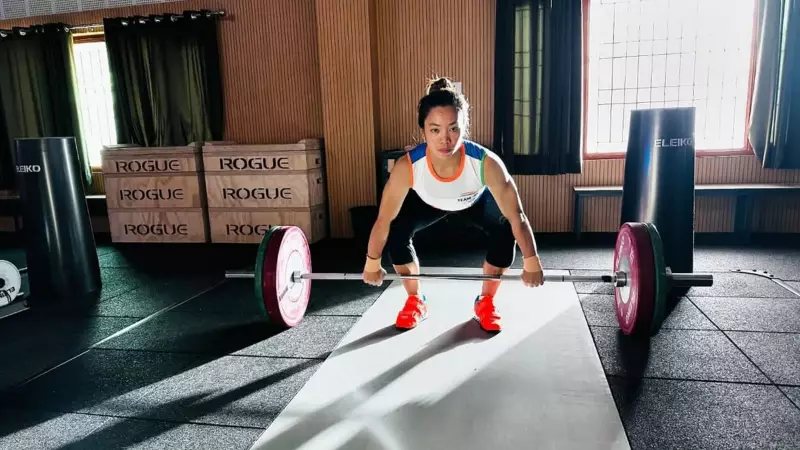
In a revealing interview, Tokyo Olympics silver medalist Mirabai Chanu has shattered a common misconception about the eating habits of elite weightlifters. Contrary to the belief that they consume large quantities of food, Chanu emphasized the critical role of a tightly controlled, minimalist diet in her sport.
The Myth of the Heavy Eater
"Everyone thinks that since we are weightlifters, we must eat a lot, but that's not the case. We actually don't eat that much because we have to keep our weight in check," Chanu stated in her conversation with The Lallantop. The champion, who competes in the 49kg category, highlighted that this disciplined approach to food is not unique to her but is a shared reality among athletes in weight-class sports.
Nutritionist and personal trainer Deepika Sharma, speaking to indianexpress.com, clarified that dietary needs vary drastically across sports. Endurance athletes like marathon runners require high-carbohydrate diets to fuel their long-distance efforts. However, for athletes like Chanu, the equation is reversed. The primary goal is to achieve maximum strength while maintaining the lowest possible body weight to stay within a competitive category.

Precision Over Portion: The Weightlifter's Plate
Sharma explained that for a weightlifter, even a one-kilogram increase can force a move into a heavier weight class, potentially altering the competitive landscape entirely. "It's not about starvation but precision," she elaborated. This necessitates a diet monitored almost gram by gram.
Chanu gave a glimpse into her spartan yet nutrient-dense daily meals:
- Breakfast: Boiled eggs, boiled chickpeas (chana), and boiled mushrooms.
- Lunch: Primarily salads or seafood for easy digestion before training.
- Restrictions: She explicitly avoids bread, milk, and rice to maintain her weight.
Nutritionist Sharma provided a broader template for a weightlifter's ideal diet, which includes peanut butter or oats for breakfast, protein with fruits post-training, small portions of rice or chapati with lean meat or lentils for lunch, and light dinners with dal or eggs and vegetables.
Why Bread is a No-Go, But Context is King
While Chanu's diet excludes staples like bread and rice, Sharma stressed that context is crucial. For endurance athletes, bread provides essential carbohydrates that act as fuel. Similarly, milk offers protein and calcium vital for recovery. The exclusion is specific to the needs of weight-class athletes where every calorie must contribute directly to strength without adding bulk.
Chanu's daily routine is as structured as her diet. She starts her day at 6 AM, engages in mobility and running sessions, has breakfast at 8 AM, and undergoes intense weight training from 10 AM to 12:30 PM. This precise timing ensures optimal energy for training and recovery without calorie overshoot.
Sharma concluded that weightlifters should focus on spreading protein intake throughout the day to build muscle. A mix of carbs and protein before lifting aids focus, and quick protein consumption within 30-45 minutes post-lift is critical for recovery.
Mirabai Chanu's insights offer a powerful reminder that behind the immense strength displayed on the platform lies a life of meticulous discipline, where a simple meal of boiled chana becomes a strategic tool for Olympic success.