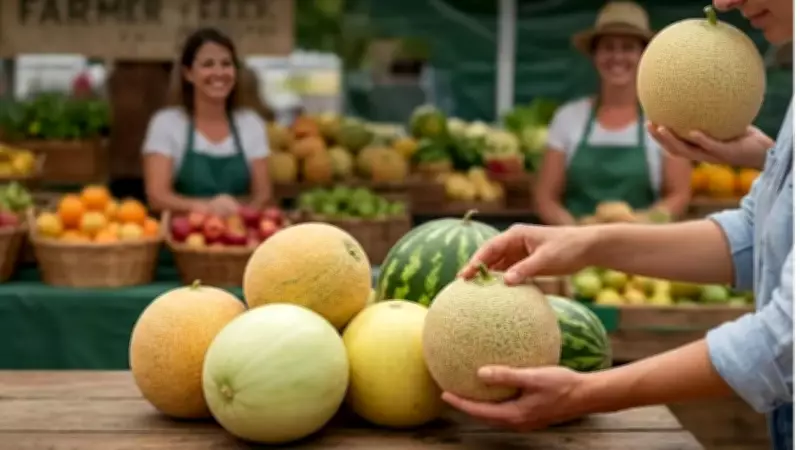
How to Choose a Sweet and Ripe Melon
Selecting a sweet melon is less about luck and more about knowing what to look for. Melons may appear similar on the surface, but subtle cues such as weight, color, appearance, texture, and smell determine whether a melon is ripe enough to enjoy. A perfectly ripe melon should be juicy and sweet.
These methods are based on the natural growth process of the melon. Weight indicates moisture content; the field spot reveals how long the melon remained on the plant; and the odor reflects ripening and sugar development. Combining these tests helps you choose the ideal melon.
Tips to Choose Sweet and Ripe Melons
Making the right choice for a delicious melon is easy when you pay attention to key features rather than guessing. Look at weight, color, appearance, and smell to quickly assess quality.

Check the Melon's Weight for Juiciness and Sweetness
The first step is to pick up the melon. A heavy melon typically contains more juice and sugar, making it juicy and sweet.
Look at the Field Spot Color to Identify Ripeness
The field spot is where the melon rested on the plant while growing. A creamy yellow or golden color indicates full ripeness on the plant, while a pale spot suggests premature picking and less flavor.
Tap the Melon to Check Ripeness
Gently knocking on the melon can reveal ripeness. A deep, hollow sound usually means the fruit is juicy and well-developed. A dull sound may indicate underripeness or overripeness.
Check the Melon's Skin Texture and Surface Quality
The skin should be firm, without cuts, dents, or soft spots. A slightly dull texture indicates full ripeness, while a glossy surface often means the fruit is immature.
Smell the Melon to Confirm Sweetness and Flavor
For melons like muskmelons or cantaloupes, smell near the stem area. No odor is a bad sign, while an overly strong smell indicates overripeness.
Season Matters More Than You Think
A ripe melon in season is sweeter than an off-season melon, which may be harvested early or stored for long periods, affecting taste.
Let Underripe Melons Ripen at Room Temperature
If a melon is slightly underripe, leave it at room temperature for a few days before cutting to enjoy the best texture and flavor.
Check Inside After Cutting for Better Quality
If the melon looks healthy and smells good when sliced, it likely contains plenty of sugars and flavorful compounds.
Avoid Common Mistakes While Choosing Melons
Do not judge by size alone; larger melons are not necessarily sweeter. Also, avoid glossy melons, as they are often immature.
By following these simple guidelines, you can consistently select sweet, ripe melons for your enjoyment.