Top 10 High-Fiber Foods Beyond Vegetables: Expert Insights for Health
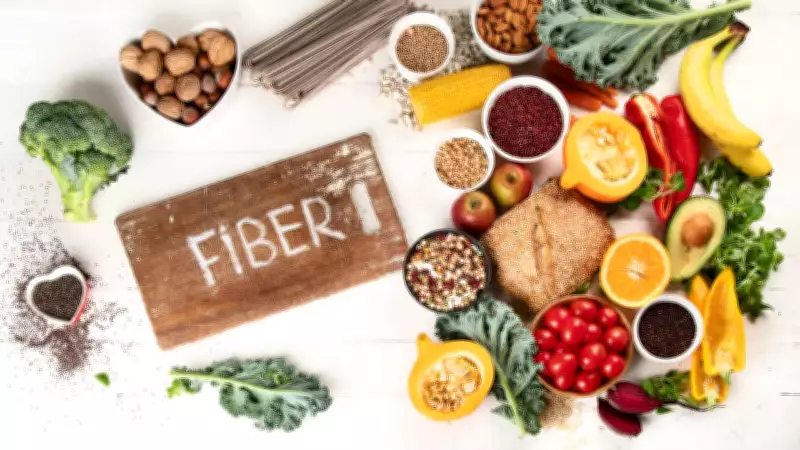
Fiber is a cornerstone of holistic well-being, playing a vital role in maintaining the human body's health. Found predominantly in plant-based sources like fruits, vegetables, whole grains, and legumes, fiber is categorized into two types. Soluble fiber helps lower cholesterol, regulate blood sugar, and enhance heart health, while insoluble fiber aids digestion by promoting regular bowel movements and preventing constipation. According to American dietary guidelines, individuals aged two years and above should aim for 14 grams of fiber per 1,000 calories consumed daily. Specifically, children between 12 and 23 months need 19 grams per day, and adults should target 25–35 grams daily.
In a recent Instagram video, Dr. Saurabh Sethi, a gastroenterologist trained at AIIMS, Harvard, and Stanford, highlighted 10 high-fiber vegetarian foods that surprisingly do not include vegetables. This list offers diverse options for boosting fiber intake effectively. Here are the top 10 high-fiber foods and the right way to incorporate them into your daily diet.
Chia Seeds
Dr. Sethi notes that just 2 tablespoons of chia seeds provide 10 grams of fiber. These seeds are also beneficial for lowering bad cholesterol (LDL) and maintaining healthy blood pressure, thereby reducing cardiovascular risks.

Black Seeds
According to the gastroenterologist, 2 tablespoons of black seeds offer 5 to 6 grams of fiber. Regular consumption may help stabilize blood sugar levels, making them a valuable addition for those managing Type 2 Diabetes.
Lentils
The expert explains that 1/2 cup of cooked lentils contains 8 grams of fiber. With a low glycemic index, lentils aid in regulating blood sugar levels, offering benefits for individuals with Type 2 Diabetes.
Chickpeas
Dr. Sethi states that 1/2 cup of cooked chickpeas delivers 6 grams of fiber. Rich in magnesium and potassium, they help lower bad cholesterol (LDL) and support healthy blood pressure.
Raspberries
In the video, the gastroenterologist mentions that 1 cup of raspberries provides 8 grams of fiber. Their low glycemic index makes raspberries an excellent choice for people managing Type 2 Diabetes.
Blackberries
The doctor points out that 1 cup of blackberries offers 7.5 grams of fiber. Packed with vitamin C, potassium, and polyphenols, blackberries help maintain healthy blood pressure and reduce heart disease risk.
Pear with Skin
He recommends eating pears with their skin, as 1 medium-sized fruit provides 5 to 6 grams of fiber. Containing potassium and antioxidants, pears help regulate blood pressure and lower heart disease risk.
Oats
Dr. Sethi discusses steel-cut and rolled oats, noting that 1/2 cup of dry oats contains 5 grams of fiber. Regular consumption can lower bad cholesterol (LDL) and decrease the risk of heart disease.
Quinoa
According to him, 1 cup of cooked quinoa supplies 5 grams of fiber. As a complete protein with all nine essential amino acids, quinoa is ideal for vegetarians and vegans. It also includes magnesium, potassium, and antioxidants that aid in blood pressure regulation and heart health.
Black Beans
Dr. Sethi shares that 1/2 cup of cooked black beans provides 7.5 grams of fiber. Rich in potassium and antioxidants, they help lower bad cholesterol levels and support overall heart function.
Incorporating these high-fiber foods into your daily meals can significantly enhance your nutritional intake and promote long-term health benefits. Always consult with a healthcare professional for personalized dietary advice.