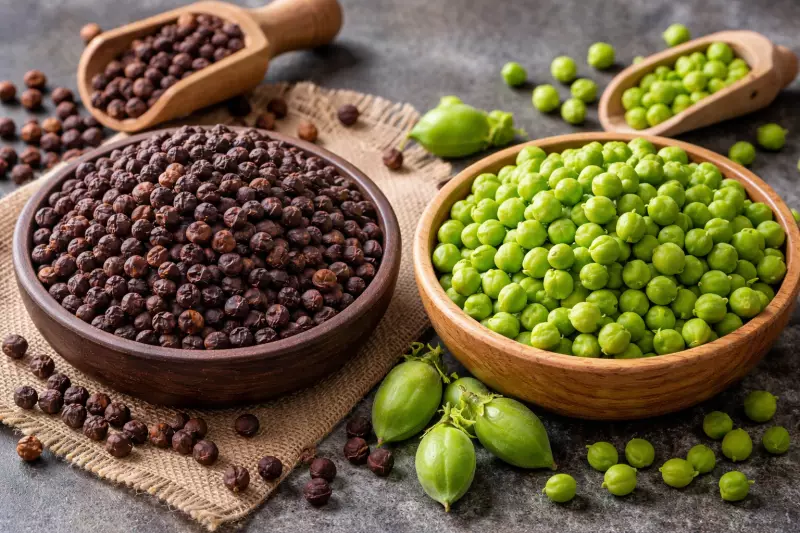
As winter sets in, a fresh, green delight appears in Indian markets for a brief period. Known as green chana, hara chana, or choliya, this seasonal gram is a cherished winter delicacy available for just two to three months. Unlike its dried counterpart, this tender, young harvest is celebrated for its light, fresh flavour and nutritional profile, playing a key role in seasonal festivals across the country.
The Seasonal Star: Green Chana's Unique Appeal
Freshly harvested green chana is a staple in winter rituals and festivals like Neman in Bihar, Makar Sankranti across India, and Lohri in Punjab and Haryana. Its short availability window adds to its allure. Dietitians highlight that because it is harvested young, it contains more moisture and has a slightly lower calorie count compared to dried grams.
This moisture gives it a distinctive grassy flavour, perfect for snacks like bhel, quick stir-fries, and light curries. Nutritionally, its higher water content and complex carbohydrates and fibre help slow sugar release into the bloodstream, promoting a feeling of fullness for longer. When consumed in season, green chana provides vitamin C, B vitamins, and antioxidants that support immunity.

The Year-Round Powerhouse: Black Chana's Strengths
In the other corner is the ever-reliable black chana, or kala chana, a superfood available throughout the year. It is widely regarded as one of the best sources of clean plant-based protein. While it is higher in carbohydrates than the green variant, it packs a powerful punch, offering nearly double the amount of protein per 100 grams.
Its nutritional portfolio is impressive: higher levels of iron, calcium, and potassium make it excellent for bone strength and maintaining healthy blood pressure. Its high fibre and protein content help control appetite, support healthy cholesterol, and regulate blood sugar levels. For these reasons, soaked or lightly cooked black chana is frequently recommended in weight-loss diets for its filling yet nutrient-dense properties.
Which Gram Should You Choose?
Both varieties are exceptionally healthy, but the ideal choice depends on your specific health and dietary goals.
- For maximum protein and minerals: Opt for black chana. Its superior protein, iron, calcium, and potassium content makes it a nutritional powerhouse.
- For a light, seasonal snack or dish: Choose green chana in winter. Its fresh, grassy taste is ideal for chaats, salads, and quick sabzis.
- For diabetes and stable energy: Both are excellent due to their fibre and low glycemic index. However, black chana's higher fibre content may give it a slight edge for blood sugar control.
Ultimately, incorporating both into your diet at different times can offer a wide spectrum of health benefits, leveraging the seasonal freshness of green chana and the consistent, robust nutrition of black chana.