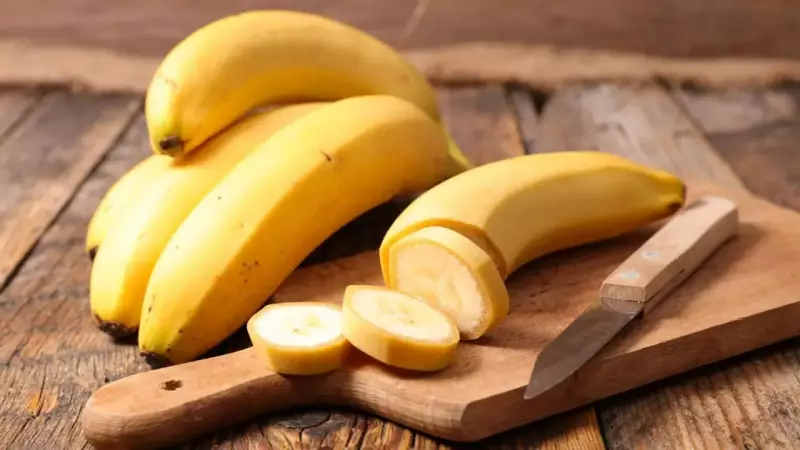
For fitness enthusiasts and health-conscious individuals across India, the humble banana is a staple. Yet, a common question persists: when is the best time to eat it? The answer is more nuanced than you might think. Recent discussions on nutrient timing and the metabolic impact of whole foods have cast a fresh spotlight on this everyday fruit. Its unique blend of natural sugars, fibre, and essential minerals means its benefits shift depending on when you consume it, transforming it from a generic snack into a strategic tool for daily nutrition and exercise.
The Science Behind Banana's Energy Release
Bananas are prized for their easily digestible carbohydrates, offering a reliable source of quick energy. Unlike processed sugars, the combination of glucose, fructose, and sucrose in bananas, along with dietary fibre, leads to a gentle and steady rise in blood glucose levels. This prevents the sharp spikes and crashes associated with many snacks, making it ideal for sustaining energy during moderate activity or bridging gaps between meals. Furthermore, bananas are rich in potassium and magnesium, minerals crucial for proper muscle contraction, nerve function, and maintaining fluid balance in the body.
Bananas as a Natural Performance Booster
Research solidifies the banana's role as effective workout fuel. A notable study published in PLoS ONE compared bananas to a standard carbohydrate sports drink during endurance cycling. The findings revealed that bananas delivered comparable performance benefits. Additionally, they provided phenolic compounds and antioxidants not found in the commercial drink, potentially aiding post-exercise recovery. This positions the banana as a practical, whole-food alternative for athletes seeking minimally processed nutrition.

Benefits of Eating a Banana Before Exercise
Consuming a banana 30-60 minutes before a workout can be highly advantageous. It provides quick-digesting carbs that top up glycogen stores in your muscles and liver, the primary fuel for sustained activity. The fruit is light and easy on the stomach, minimizing digestive discomfort. The potassium content helps support muscle function and may reduce the risk of cramps. It's the perfect convenient snack when you're short on time before hitting the gym or going for a run.
Benefits of Eating a Banana During or After Exercise
Having a banana during or immediately after a workout serves a critical recovery role. It helps replenish blood glucose levels and kickstarts the restoration of depleted glycogen stores, which is vital for recovery if you train frequently. It replaces potassium lost through sweat, aiding muscle relaxation and rehydration. As a whole-food source, it also delivers vitamin B6 and antioxidants that can help combat exercise-induced oxidative stress, supporting the body's repair processes.
Smart Snacking and Meal Integration
Beyond the gym, bananas are an excellent snack between meals. Their soluble fibre promotes a feeling of fullness and ensures a slow, steady absorption of carbohydrates, preventing energy slumps. This makes them a great choice for students, professionals, or shift workers needing sustained concentration. Their natural sweetness also satisfies sugar cravings in a healthy way.
When paired with meals, bananas contribute to balanced nutrition. Combining a banana with a source of protein or healthy fat—like yoghurt, oats, or nut butter—creates a more complete meal that enhances satiety and moderates the overall absorption of sugars. The vitamin B6 in bananas also plays a role in protein metabolism when eaten with protein-rich foods.
The Case for a Late-Night Banana
Contrary to popular fear about night-time carbs, a banana in the evening can be beneficial for some. The potassium and magnesium promote muscle relaxation, while vitamin B6 supports the production of serotonin, a neurotransmitter that regulates sleep cycles. For most people, a single banana, especially if paired with a small protein source like a handful of nuts or a cup of milk, is unlikely to cause a disruptive glucose spike and can be a satisfying way to curb late-night hunger without heaviness.

Ultimately, the best time to eat a banana depends on your personal health goals, activity level, and how your body responds. Whether it's fuel for your workout, a recovery aid, or a steadying snack, this versatile fruit proves its worth far beyond its simple peel.