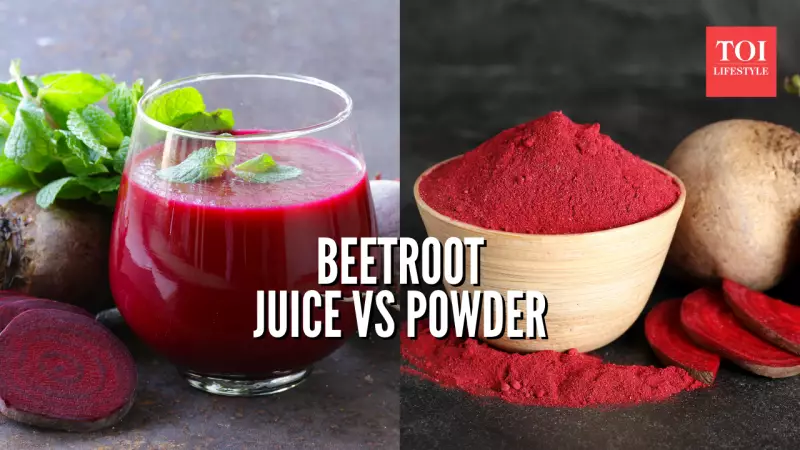
Beetroot has firmly established itself as a powerhouse in the world of functional foods. Its popularity has surged, with beetroot-based products becoming go-to natural aids for wellness and athletic performance. The two most common forms available are beetroot juice and beetroot powder. Although both are derived from the same humble root vegetable, their journey from farm to shelf creates significant differences in how they work in our bodies. This analysis breaks down the key distinctions to help you make an informed choice.
The Science of How Beetroot Benefits Your Body
The remarkable health and performance advantages linked to beetroot are primarily due to its exceptionally high concentration of natural nitrates. The process begins in the mouth, where friendly bacteria convert these dietary nitrates into nitrites. Later, the body transforms these nitrites into a vital molecule called nitric oxide (NO).
Nitric oxide acts as a crucial signaling agent that prompts blood vessels to relax and widen, a process known as vasodilation. This enhanced blood flow improves the delivery of oxygen and nutrients to muscles and tissues throughout the body. Beyond nitrates, beetroot is also rich in potent antioxidants like betalains and polyphenols, which help combat inflammation and support overall cellular health.

Processing, Nutrition, and Practical Differences
The method of processing beetroot dramatically alters its final nutritional profile. When beetroot is liquefied into juice, it retains a high level of nitrates. Comparative research indicates that beetroot juice consistently shows the highest nitrate content when measured against powdered forms, cooked beets, or beet chips.
Creating beetroot powder involves dehydration, and the specific drying technique used can significantly impact the preservation of sensitive antioxidant pigments and phenolic compounds. This variability in processing is a key differentiator between products on the shelf.
Bioavailability, Sugar Content, and Core Benefits
Bioavailability—how well and how quickly your body can absorb and use the nitrates—is a critical factor. Evidence suggests that beetroot juice generally offers faster and more consistent nitrate absorption, leading to a more predictable rise in nitric oxide levels. Beetroot powder can be effective, but its results may vary more widely depending on its formulation and quality.
On a practical level, beetroot juice contains natural sugars and provides readily available carbohydrates, which can be beneficial as an energy source around workouts. In contrast, beetroot powder typically has lower carbohydrate and calorie counts, making it a suitable option for those monitoring blood sugar or overall caloric intake.
The strongest scientific evidence for beetroot supplementation centers on two areas: cardiovascular health and physical performance. Numerous studies confirm that nitrate-rich beetroot juice can effectively lower both systolic and diastolic blood pressure, especially in individuals with elevated readings.
In the realm of sports science, beetroot juice supplementation is proven to enhance exercise efficiency. It reduces the amount of oxygen required during submaximal exercise and can extend endurance, improving performance in time trials and sustained activities.
The Final Verdict: Which One Should You Choose?
Beetroot juice stands as the most rigorously researched form, with strong, consistent data supporting its role in improving blood flow, lowering blood pressure, and boosting exercise efficiency. Beetroot powder offers greater convenience, a longer shelf life, and fewer sugars and calories, but its nitrate content and effects can be less predictable.
Your ultimate choice depends on your primary health objectives, dietary preferences, and whether you prioritize proven consistency or everyday convenience. For targeted blood pressure support or pre-exercise fueling, juice may be superior. For daily, low-calorie integration into smoothies or meals, a high-quality powder could be ideal.

Disclaimer: This article is intended for informational purposes only and is not a substitute for professional medical advice. Always consult with a qualified healthcare provider before introducing any new supplement or making significant dietary changes.