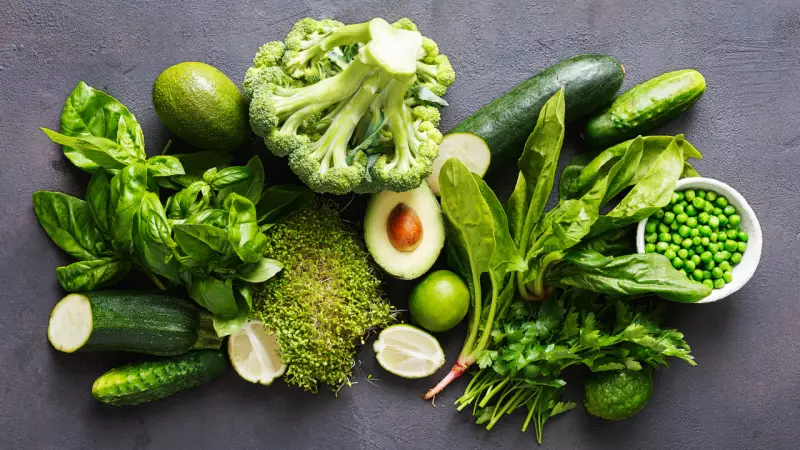
When we think of protein, our minds often jump to eggs, chicken, or protein supplements. Vegetables, especially during the winter season, are rarely given the credit they deserve for their protein contribution. As the weather cools and meals become heartier, incorporating certain winter vegetables can significantly boost your daily protein intake in a natural and delicious way.
Understanding Your Protein Needs
Nutritionists state that an average adult requires approximately 0.8 grams of protein per kilogram of body weight each day. For most women, this translates to about 45-55 grams daily, while men typically need between 55-65 grams, depending on their size and activity levels. While vegetables alone may not fulfill this entire requirement, they play a crucial supporting role. When paired with staples like dals, grains, or dairy, these winter veggies can meaningfully elevate the protein content of your meals.
Top 8 Protein-Packed Winter Vegetables
Here is a detailed look at eight winter vegetables that stand out for their protein content, perfect for integrating into your cold-weather cooking.

1. Green Peas: The Sweet Protein Powerhouse
Fresh winter peas are a standout, offering an impressive 5.4 grams of protein per 100 grams. Their sweet and tender nature makes them incredibly versatile. They blend seamlessly into classic Indian dishes such as methi matar, paneer matar, sarson ka saag, and can also enhance soups, poha, pulao, or even paratha stuffings. An added benefit is that frozen peas retain most of their nutritional value, providing a reliable protein source all season long.
2. Spinach: The Nutrient-Dense Leafy Green
Don't let its delicate appearance fool you. Raw spinach contains about 2.9 grams of protein per 100 grams. When cooked, its volume reduces significantly, allowing you to consume a larger quantity in one serving. This makes its protein contribution more substantial. It's perfect for palak-based gravies, soups, stir-fries, and egg preparations, with repeated servings adding up quickly.
3. Broccoli: The Versatile Floret
Broccoli is notable because protein constitutes a significant percentage of its calories. With 2.8 grams of protein per 100 grams, it shines in winter when roasted, steamed, or added to stir-fries. It pairs excellently with paneer, tofu, or lentils, boosting the overall protein density of a meal without altering its familiar structure.
4. Brussels Sprouts: The Underrated Gem
Often overlooked, Brussels sprouts are a quiet achiever with 3.4 grams of protein per 100 grams. Roasting them brings out a delightful nutty flavour that complements winter spices, mustard, or garlic beautifully. Their firm texture makes them ideal for warm salads or hearty sheet-pan meals.
5. Mushrooms: The Meaty Texture Provider
Mushrooms do more than just mimic meat; they offer a solid 3.1 grams of protein per 100 grams. Common varieties like button, oyster, and shiitake all provide similar benefits. In winter, they add a deep, umami richness to soups, stir-fries, and gravies, making protein-rich meals feel more satisfying and substantial.
6. Cauliflower: The Versatile Canvas
While cauliflower's protein content is 1.9 grams per 100 grams, its incredible versatility earns it a spot on this list. Because it absorbs flavours wonderfully and can be consumed in large portions—think roasted gobi, creamy soups, or grated into doughs—its cumulative protein contribution becomes significant.
7. Kale: The Protein King of Leafy Greens
Kale is one of the highest-protein leafy greens available, boasting 4.3 grams of protein per 100 grams when raw. Light cooking makes it more digestible and easier to eat in larger quantities. Try adding it to soups, sautéing it with garlic, or mixing it into dals for a powerful winter-friendly boost of plant protein and essential minerals.

8. Carrots: The Silent Contributor
Carrots, with 0.9 grams of protein per 100 grams, may not top the charts, but their frequent and generous use in winter cuisine makes them noteworthy. From gajar ka halwa and soups to sabzis and salads, carrots consistently contribute protein alongside valuable fibre and antioxidants, their natural sweetness balancing heavier winter dishes.
Integrating Protein Veggies into Your Winter Diet
The key to benefiting from these vegetables is consistent inclusion in your daily meals. Their true power is unlocked when combined with other protein sources like lentils, legumes, dairy, or whole grains. This approach not only helps in meeting daily protein targets but also ensures a diverse intake of vitamins, minerals, and fibre, which is crucial for overall health during the winter months. Embracing these vegetables allows for a holistic and nutritious approach to seasonal eating.