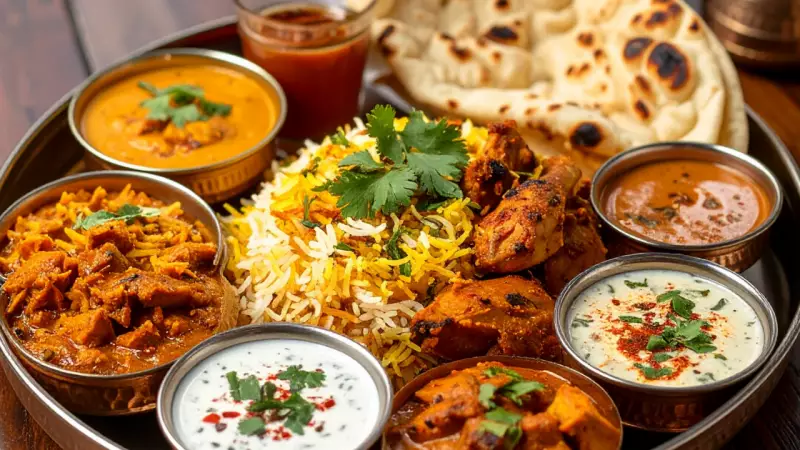
As the winter chill sets in, our eating habits undergo a subtle transformation. Meals become warmer, portions heartier, and humble sabzis often take centre stage on our plates. Beyond comfort, this season also highlights the quiet importance of protein—not just for building muscle, but for providing sustained warmth, satiety, and steady energy through the shorter, colder days.
Nutritionists recommend that an average adult consumes approximately 0.8 grams of protein per kilogram of body weight daily. For most individuals, this translates to a range of 45–55 grams for women and 55-65 grams for men, varying with body composition and activity levels. While vegetables alone may not fulfil this entire requirement, they can significantly contribute to it. This is particularly crucial in vegetarian households, where protein intake needs to be thoughtfully assembled from various sources across the meal.
Winter's Bounty: Vegetables That Pack a Protein Punch
Fortunately, the winter harvest in India brings forth a variety of greens and vegetables that are not only seasonal delights but also valuable protein contributors. Integrating these into your daily cooking can elevate the nutritional profile of your meals without making food feel like a science project. Here are six winter sabzis that deserve a regular spot on your plate for their protein content and wholesome goodness.

1. Matar ki Sabzi (Fresh Pea Curry)
Fresh winter peas stand out as one of the few vegetables that are genuinely protein-rich, offering an impressive 5-6 grams of protein per 100 grams. Their inherent sweetness and tender texture make them a favourite, allowing for generous servings. A lightly spiced matar ki sabzi is the epitome of comfort food—it feels satisfying without being overly heavy and adds substantial nourishment when paired with roti or rice.
2. Palak Sabzi (Spinach Curry)
Spinach provides close to 3 grams of protein per 100 grams. Its real superpower, however, lies in how it condenses when cooked. A large kadhai full of fresh leaves wilts down into a single, nutrient-dense serving. A simple palak sabzi, tempered with garlic and cumin in minimal oil, is a classic. For a protein boost, pair it with paneer or kala chana, transforming a light side dish into a complete, sustaining meal.
3. Sarson ka Saag (Mustard Greens Curry)
A quintessential North Indian winter specialty, mustard greens deliver about 3 grams of protein per 100 grams. But sarson ka saag is more than just numbers. The slow-cooking process develops a deep, earthy, and warming flavour that is perfect for the season. When enjoyed with makki ki roti or a hearty dal, it becomes a feast that provides long-lasting energy and comfort.
4. Mushroom Sabzi
Mushrooms are a fantastic vegetarian source of umami and protein, providing roughly 3 grams per 100 grams. Their meaty texture and savoury depth add a satisfying weight to winter meals without the heaviness. A simple mushroom sabzi cooked with onions, ginger, and black pepper can reduce reliance on paneer while still delivering on protein and fullness, making it an excellent choice for a light yet nourishing dinner.
5. Gobi Matar (Cauliflower and Peas Curry)
Cauliflower on its own offers about 2 grams of protein per 100 grams. However, winter kitchens often combine it with peas, creating the beloved gobi matar. This combination creates a more balanced and filling dish. The vegetables absorb spices beautifully, resulting in a hearty sabzi that makes a meal feel complete and satisfying, not merely supplemented.
6. Bathua Sabzi (Chenopodium Curry)
Often an underrated winter green, bathua is a quiet nutritional powerhouse. It carries approximately 4 grams of protein per 100 grams, ranking it among the more protein-dense leafy vegetables of the season. Sautéed with garlic and cumin or used in paratha stuffings, its deep green colour signifies a wealth of minerals. Served with roti and dal or curd, bathua brings a traditional, nourishing depth to the winter table.

Building a Protein-Rich Plate Naturally
Incorporating these sabzis into your winter diet is a delicious and natural strategy to enhance your protein intake. The key is combination. Pairing these vegetable dishes with whole grains like roti or rice, along with lentils (dal), curd, or occasional paneer, creates a synergistic meal that covers a broad spectrum of amino acids and nutrients.
This approach moves away from viewing food as mere macronutrient calculations and back towards holistic, seasonal eating. It leverages the traditional wisdom of Indian cuisine, where winter vegetables are celebrated not just for their taste but for their inherent ability to nourish and sustain the body during the colder months. So, this season, let your sabzi do more than just add colour—let it be a cornerstone of warmth and vitality on your plate.