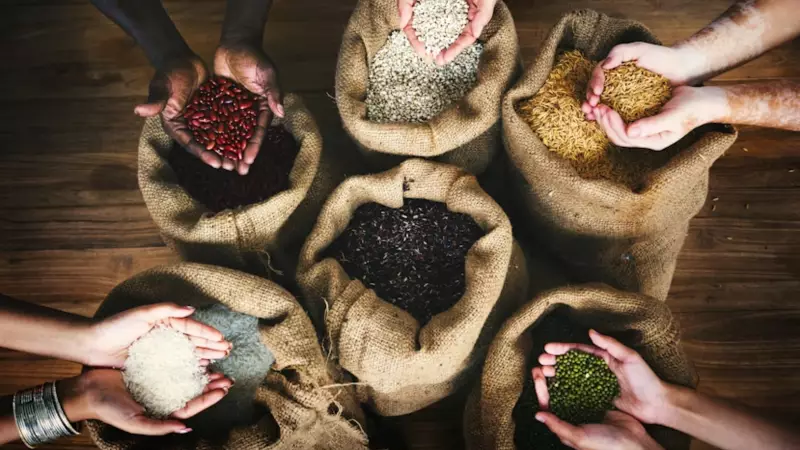
Building a healthy and sustainable diet often feels overwhelming, but the secret lies in getting your kitchen staples right. A well-stocked pantry with nutritious foundational items can simplify meal planning and ensure you get vital nutrients throughout the week. We explore six essential staple foods that form the cornerstone of a balanced and healthy eating plan, perfect for the Indian household.
The Power of Whole Grains: Your Energy Foundation
Whole grains are non-negotiable for sustained energy and digestive health. Unlike refined grains, they retain their bran and germ, packing a powerful punch of fiber, B vitamins, and minerals. Brown rice, oats, quinoa, and whole wheat (atta) are excellent choices to incorporate into your daily meals.
Starting your day with a bowl of oatmeal or a roti made from whole wheat flour provides slow-releasing carbohydrates. This keeps you full for longer and prevents mid-morning energy crashes. Integrating a variety of whole grains ensures you receive a broad spectrum of nutrients essential for bodily functions.

Protein Powerhouses: Lentils, Legumes, and Beyond
Protein is the building block of life, crucial for muscle repair, enzyme function, and overall growth. For a vegetarian-friendly and economical protein source, look no further than the humble dal. Lentils (dal), chickpeas (chana), kidney beans (rajma), and black gram (urad dal) are incredibly versatile staples.
These legumes are not only rich in protein but also high in fiber and iron. Having a stock of different dals allows you to create a variety of dishes, from comforting sambhar and dal tadka to protein-packed salads and curries. Soaking them before cooking enhances nutrient absorption and reduces cooking time.
The Colorful World of Fresh Fruits and Vegetables
No healthy diet is complete without a rainbow of fruits and vegetables. They are vital sources of vitamins, minerals, antioxidants, and dietary fiber. Aim to include a mix of leafy greens like spinach (palak) and fenugreek (methi), along with seasonal vegetables such as tomatoes, bell peppers, and gourds.
Similarly, keeping a bowl of fresh fruits like bananas, apples, oranges, and seasonal berries encourages healthy snacking. The key is diversity in color and type, as different pigments represent different beneficial phytochemicals that protect the body from disease.
Essential Healthy Fats and Dairy or Alternatives
Healthy fats are essential for brain health, hormone production, and absorbing fat-soluble vitamins (A, D, E, K). Staples like nuts (almonds, walnuts), seeds (flaxseeds, chia seeds), and traditional oils (mustard oil, coconut oil in moderation) are important. A handful of nuts makes for a perfect satiating snack.
For calcium and protein, include dairy or its fortified alternatives. Curd (dahi), milk, or plant-based options like soy milk are excellent. Curd, in particular, is a probiotic superstar that aids digestion and gut health, making it a perfect daily addition to any meal.
Building Your Weekly Meal Plan
Integrating these six staple food groups into your weekly routine is simpler than it seems. Plan your meals around a combination of a whole grain, a protein source (dal/legumes), and a generous serving of vegetables. Use healthy fats for cooking and garnishing, and incorporate dairy or fruits as snacks or accompaniments.
By ensuring these staples are always available in your kitchen, you lay a strong foundation for nutritious, home-cooked meals that support long-term health and wellness. This approach takes the guesswork out of healthy eating and makes it a sustainable, enjoyable part of your lifestyle.