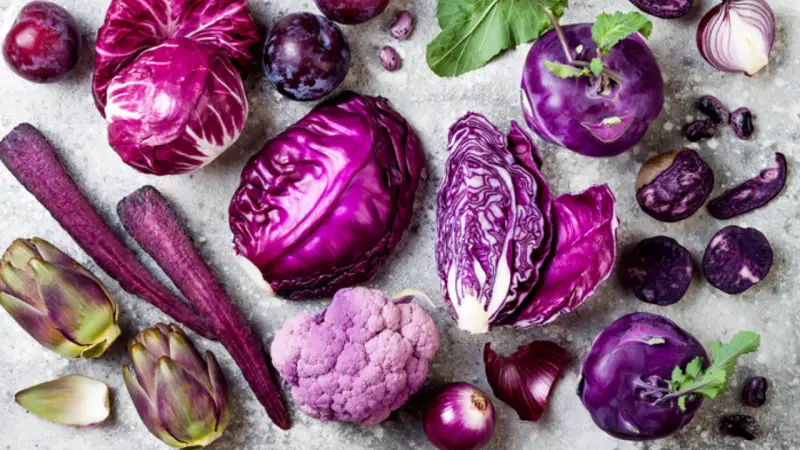
In the vibrant tapestry of Indian cuisine, colour has always been more than just visual appeal—it's a silent indicator of nourishment. Long before modern nutrition science coined terms like 'antioxidants' and 'superfoods', traditional diets intuitively included deeply coloured ingredients. Among these, purple foods stand out, not for their rarity, but for their profound health benefits rooted in a powerful plant compound: anthocyanins.
The Power of Purple: Anthocyanins Explained
Anthocyanins are the natural pigments that give foods like jamun and purple cabbage their distinctive hue. Scientific research links these compounds to a host of health benefits, including reduced inflammation, improved blood vessel function, and protection for our cells from damage. The beauty of these foods lies in their accessibility; many are already staples in Indian kitchens or local markets, waiting to be recognised for their everyday nutritional power rather than occasional trend status.
Ten Purple Powerhouses for Your Daily Plate
Integrating these foods into your regular meals adds balance and depth of flavour, moving beyond hype to genuine nourishment. Here are ten excellent choices.

1. Purple Sweet Potato (Shakarkandi)
This root vegetable provides a steady release of energy, helping to maintain steadier blood sugar levels compared to refined carbohydrates. Its deep purple flesh is a clear sign of a high antioxidant load, which supports metabolic health and circulation. Enjoy it roasted, steamed, or added to curries for a satisfying meal.
2. Black Grapes
Eaten whole with the skin on, black grapes deliver heart-healthy compounds like resveratrol and anthocyanins. These nutrients help protect blood vessels and manage oxidative stress. They make for a perfect natural sweet snack or a vibrant addition to fruit bowls.
3. Jamun (Indian Blackberry)
A seasonal favourite in India, jamun has a long-standing reputation in traditional medicine for supporting blood sugar balance. Its natural compounds can slow glucose absorption and aid insulin response. It is also rich in iron, potassium, and gut-friendly fibre. For the best effect, eat it whole during its season rather than in processed syrups.
4. Purple Cabbage
Offering significantly more antioxidants than its green cousin, purple cabbage supports liver function, immunity, and digestion. Its high vitamin C content aids collagen formation. To preserve its benefits, enjoy it raw in salads, lightly sautéed as a sabzi, or in quick stir-fries.
5. Black Rice (Forbidden Rice)
Black rice digests more slowly than polished white rice, which helps regulate blood sugar and appetite. Its anthocyanins support heart health, while its iron and fibre add nutritional depth. You don't need to replace your daily rice entirely; simply rotating black rice into your meals introduces valuable variety.
6. Blueberries
Extensively studied for their brain health benefits, blueberries contain compounds that support memory, cognitive function, and vascular integrity. Even a small daily portion, eaten whole, can be beneficial. Add them to curd bowls, oatmeal, or enjoy them as a simple snack.
7. Purple Brinjal (Baign)
The deep purple skin of brinjal contains nasunin, an antioxidant linked to cellular and brain protection. Low in calories and high in fibre, brinjal aids digestion when cooked with minimal oil. Roasting or slow cooking are healthier alternatives to deep-frying.
8. Black Plums (Aloo Bukhara)
Black plums aid digestion through their fibre and natural acids, which stimulate digestive enzymes. Eaten whole, they can help regulate appetite and blood sugar. Their polyphenols contribute positively to gut and metabolic health.
9. Red Onion
Rich in the compound quercetin, red onions are associated with reduced inflammation and a stronger immune response. They also support heart health by improving lipid metabolism. Using them raw in salads or lightly cooked in sabzis preserves most of their nutritional value.
10. Purple Carrots
Purple carrots offer a unique combination of anthocyanins and beta-carotene, supporting eye health, immunity, and inflammation control. They provide stronger antioxidant support compared to orange carrots and can be easily added to salads, stir-fries, or juices.

Making Purple a Daily Habit
The journey to better health doesn't require exotic or expensive ingredients. It often involves rediscovering the nutritional gems already present in our culinary heritage. By consciously including these anthocyanin-rich purple foods in your daily meals, you invest in long-term wellness through simple, flavorful, and accessible choices. Start by picking one or two favourites from this list and incorporating them into your next meal—your body will thank you for the vibrant boost.