

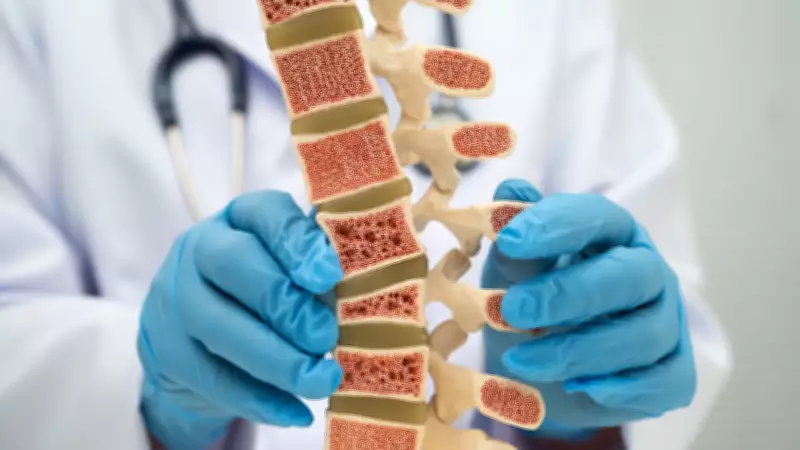
For years, osteoporosis has been perceived as a condition primarily affecting women, especially after menopause. This perception has left many men unaware of a health risk that quietly develops with age. While women are more frequently diagnosed, men are far from immune. Thousands of men suffer fractures related to weakened bones annually, often discovering osteoporosis only after a serious injury.
Osteoporosis Is Not Just a Women's Disease
According to Dr. Vivek Mahajan, Chief of Joint Replacement & HOD – Orthopedics at ISIC Multispeciality Hospital, osteoporosis should no longer be viewed as a health issue limited to women. He states, "The first impression of osteoporosis is likely to be post-menopausal women. But men can get osteoporosis as well, and they are often missed because they don't realize they are at risk."
Osteoporosis occurs when bones lose density and strength, making them fragile and more prone to fractures. Healthy bones constantly rebuild, replacing old tissue with new. As people age, this balance can shift, causing bone loss to outpace bone formation. The US National Institute of Arthritis and Musculoskeletal and Skin Diseases (NIAMS) notes that up to one in four men over age 50 will experience an osteoporosis-related fracture in their lifetime. Despite these numbers, awareness remains low, and men are less likely to undergo screening.

The Hidden Connection Between Testosterone and Strong Bones
Many people do not realize that testosterone is a key hormone for maintaining bone strength throughout a man's life. Dr. Mahajan explains, "In men, testosterone is crucial for maintaining the strength of the bones. This hormone is important for bone formation and maintenance during a lifetime. Testosterone decreases as men get older."
Bone is living tissue that undergoes constant remodeling. Testosterone helps regulate this process by supporting bone formation and preserving bone density. When testosterone levels drop significantly, the body may lose bone faster than it can replace it. "A drop in testosterone could cause the body to lose more bone than it gains. This can cause bones to become thinner and weaker over time, leading to increased risk for osteoporosis and fractures," Dr. Mahajan adds.
Why Low Testosterone Raises Fracture Risk Beyond Bone Loss
The effects of low testosterone extend beyond the skeleton. Dr. Mahajan points out, "Low testosterone can also lead to loss of muscle mass and muscle strength, which can increase the risk of falls. A combination of weak bones and increased risk of falls can make it much more likely that a person will sustain serious injuries."
This creates a "double risk." On one side, bones become thinner and more fragile. On the other, muscles weaken and balance declines. Together, these changes increase the likelihood of falls and make fractures more severe. A minor stumble could result in a fractured wrist, hip, or spine. Hip fractures are especially concerning as they can significantly affect mobility, independence, and quality of life.
The Warning Signs Men Often Ignore
Osteoporosis is often called a "silent disease" because it may not have symptoms until a fracture occurs. However, subtle warning signs should not be ignored. These may include frequent or persistent back pain, gradual loss of height over time, a stooped or hunched posture, fractures after minor falls or injuries, and general physical weakness. Men with low testosterone may also notice fatigue, reduced stamina, loss of muscle mass, and declining physical performance.
Many dismiss these changes as a normal part of aging. While aging brings physical changes, ongoing symptoms deserve attention. Experts recommend discussing these concerns with a healthcare professional, especially for men over 50, those with a family history of osteoporosis, or those who have used steroid medications for extended periods.
Stronger Bones Start with Early Action
The encouraging news is that osteoporosis is preventable and treatable when detected early. Dr. Mahajan emphasizes, "The positive news is that osteoporosis can be prevented or treated when diagnosed and treated early, and positive lifestyle choices are made."

Everyday habits that help preserve bone health include eating calcium-rich foods such as dairy products, leafy greens, and fortified foods; ensuring adequate vitamin D through safe sunlight exposure, diet, or supplements; engaging in regular weight-bearing activities like walking; including strength-training exercises; avoiding smoking; limiting excessive alcohol consumption; and maintaining a healthy body weight.
For men with risk factors, screening is especially valuable. "Older men, especially those with low testosterone, who have a family history of osteoporosis, or who have used steroids for a long time, or who have had a fracture, should consult their doctor about bone health screening," Dr. Mahajan advises. A bone density scan can detect osteoporosis before a fracture occurs, allowing for early diagnosis and treatment options such as medications, nutritional supplementation, hormone testing, and lifestyle changes.
The goal is simple: identify bone loss early enough to prevent the first major fracture rather than responding after one has already happened.





