

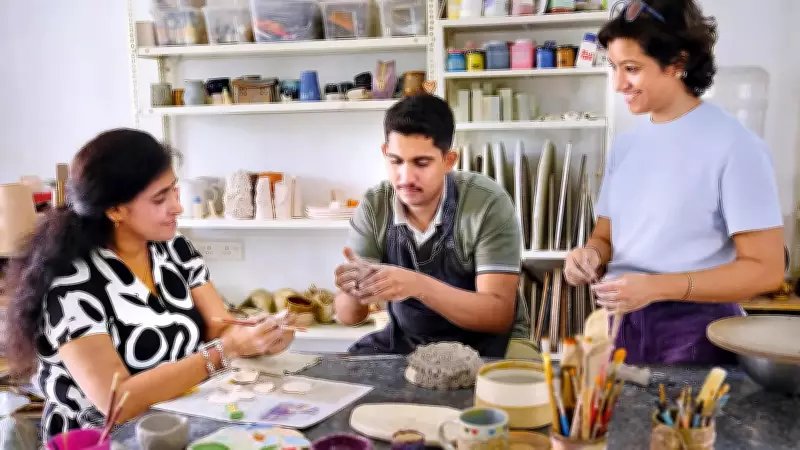
Among the diverse tools spread across the warehouses and workshops at Ghanshyam Industrial Estate in Mumbai's Andheri, the most improbable are the eye masks. Every other weekend, these are distributed to a roomful of people, who slip them on and, in silence, work balls of clay on a community table. For 12 minutes, with monkish labour, they mould them into objects. Only when the masks come off is the art examined.
The Therapeutic Power of Clay
This practice, known as mud therapy, leverages the tactile and grounding properties of clay to promote mental calmness. The act of kneading, shaping, and molding clay requires focused attention, drawing the mind away from anxious thoughts and into the present moment. The sensory experience of the cool, moist earth against the skin can be deeply soothing, helping to lower cortisol levels and induce a state of relaxation.
Why Eye Masks?
The use of eye masks during the session eliminates visual distractions, heightening other senses and encouraging introspection. Without sight, participants rely on touch and feel, deepening their connection to the material and the creative process. This sensory deprivation technique amplifies the meditative quality of the activity, making it more effective for stress relief.

Scientific Backing
Research supports the benefits of tactile activities like pottery for mental health. Engaging in repetitive, hands-on tasks can activate the parasympathetic nervous system, which counteracts the fight-or-flight response. Studies have shown that clay work can reduce symptoms of anxiety, depression, and even chronic pain. The combination of mindfulness and creative expression offers a powerful tool for emotional regulation.
How to Try Mud Therapy at Home
You don't need a studio to experience the benefits. Simply purchase air-dry clay or natural pottery clay from a craft store. Find a quiet space, put on a blindfold or close your eyes, and spend 10-15 minutes shaping the clay intuitively. Focus on the texture, temperature, and resistance of the material. Afterward, observe your creation without judgment. Regular practice can enhance your ability to stay grounded and centered.
Community Sessions
Group mud therapy sessions, like those in Andheri, add a social dimension that can amplify the benefits. Sharing a silent, collective activity fosters a sense of connection and belonging. Many participants report feeling a shared calmness that lingers long after the session ends. These workshops are often led by trained therapists who guide the process and facilitate discussions about the experience.
Conclusion
In a fast-paced world, mud therapy offers a simple yet profound way to reconnect with yourself. By engaging your hands and quieting your mind, you can find a moment of peace amidst the chaos. Whether alone or in a group, the practice of molding clay can be a transformative journey toward a calmer, more balanced life.






