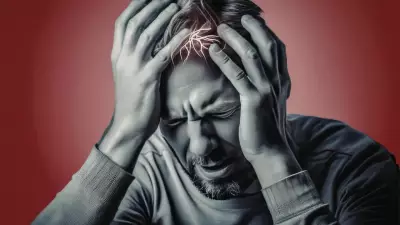
In a revealing trend, the very doctors dedicated to saving lives are increasingly seeking help to preserve their own mental well-being. Within months of its launch, the FAIMA Mental Health Helpline has received calls from over 300 medical professionals and students from across India, highlighting a silent crisis within the medical community.
A Confidential Lifeline for the Healers
The Federation of All India Medical Association (FAIMA) introduced this free and confidential service last year. This initiative was a direct response to a disturbing series of suicides among medical students and practicing doctors. Dr. Sajal Bansal, FAIMA's chief coordinator and chief advisor, stated that the response has been overwhelming. He noted that based on feedback from their national network of volunteers, they conservatively estimate over 300 medicos have been supported, with the actual number potentially higher to maintain strict confidentiality.
"The actual number may be higher, as not all calls are formally logged to ensure strict confidentiality," Dr. Bansal explained. This cornerstone of anonymity allows doctors to speak freely with peers from other states without fear of professional or institutional backlash.
Exam Stress and Workplace Pressure: Primary Triggers
The analysis of calls points to a clear pattern of distress sources. A significant majority of the calls were related to exam-related stress, with particular anxiety surrounding the NEET-PG and super-speciality entrance exams, as well as the uncertainty following results.
Beyond exams, other major contributors include the heavy workload faced by resident doctors, conflicts at the workplace, and family-related issues. The stress permeates all levels, from seasoned professionals to fresh graduates. Dr. Bansal shared poignant examples, including an MBBS intern who reached out just a day prior due to an overwhelming situation, and a head of department who contacted FAIMA to arrange counselling for a distressed student after a professor raised concerns.
Handling Emergencies and Expanding to De-addiction
The helpline has also faced critical, high-risk situations. Dr. Bansal revealed that three to four calls were classified as suicide-related emergencies. In these cases, FAIMA doctors immediately coordinated with local psychiatric departments, colleagues, or hospital staff to ensure urgent, on-ground intervention. "Telephonic counselling alone is not sufficient in such cases. Timely coordination helped prevent potential tragedies," he emphasized.
Recognising another growing challenge, FAIMA has expanded its focus to include de-addiction support. There is a rising concern about substance use among young medicos, often linked to peer pressure and unmanaged stress. "Many doctors want to quit, but hesitate to seek help due to stigma. There is hardly any safe platform for doctors to discuss addiction issues. We are trying to fill that gap," Dr. Bansal said.
While a larger volume of calls appears to come from Maharashtra, likely due to its high concentration of medical colleges, FAIMA deliberately does not maintain state-wise data to protect the anonymity of callers. Dr. Bansal also urged governments to actively promote official mental health initiatives like the Tele-MANAS helpline alongside such professional support systems. He concluded by reaffirming the helpline's core mission: "This helpline exists for doctors, by doctors, with the sole aim of saving lives."