

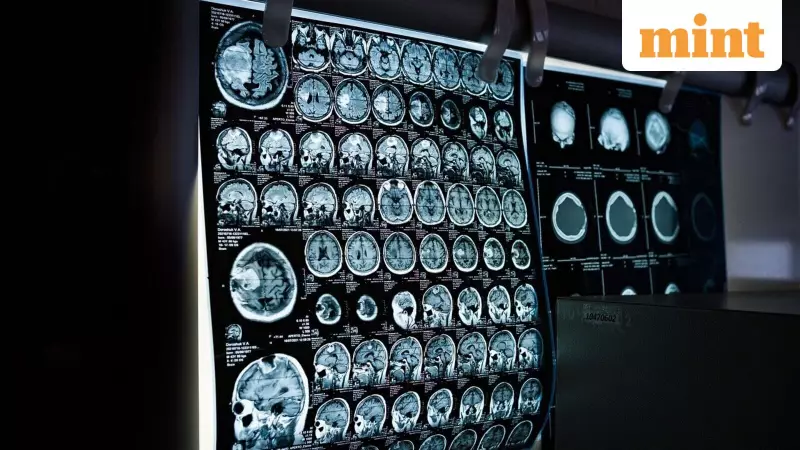
Groundbreaking new research has mapped the human brain's journey from infancy to old age, identifying five distinct phases of development and aging. The study, published in the journal Nature Communications, pinpoints average ages when the brain's internal wiring undergoes significant shifts, offering a new framework for understanding cognitive health and neurological disease.
The Five Phases of Brain Development and Aging
Scientists from the University of Cambridge, led by neuroscientist Alexa Mousley, analysed nearly 4,000 brain scans from individuals in the U.S. and U.K., ranging from newborns to people in their 90s. By examining white matter—the fatty insulation around nerve fibres—they built a detailed map of how brain connections evolve over a lifetime.
Using machine-learning algorithms to analyse a dozen brain characteristics, the team identified four key turning points that define five life stages: childhood (birth to 9), adolescence (9 to 32), adulthood (32 to 66), early aging (66 to 83), and late aging (83 and beyond).

From Pruning in Childhood to Stability in Adulthood
The first major shift occurs at age 9, marking the end of childhood. During this initial phase, the brain grows in size but also actively prunes away excess and inefficient neural connections we are born with, a process experts say is crucial for refining its networks.
At 9, the brain enters a prolonged adolescent phase that lasts until age 32. "Neuroscientists hate it whenever you say to them, 'So, when is the brain mature? When is the brain adult?'" said study co-author Professor Duncan Astle. "The really neat thing about this analysis is that it says when that is." During adolescence, the brain's wiring becomes more efficient, enabling strong and rapid communication.
The brain then enters its adult phase at age 32, a period of remarkable consistency and stability that extends to age 66. This stage aligns with a plateau in intelligence and personality, with brain regions becoming more specialised and segregated.
The Onset of Aging and Cognitive Implications
The next critical transition happens at age 66, heralding the early aging phase. During this period, which lasts until about 83, some brain regions form stronger internal groups, but connections between different groups weaken. White matter integrity begins to degrade, and brain shrinkage can occur.
"Past age 65 or so there's brain shrinkage and decreases in the integrity of white matter, and that corresponds to—for many of us, though not all—a slight decline in some aspects of cognitive function," explained Professor Tara Spires-Jones from the University of Edinburgh, who was not involved in the research.
Beyond 83, in the late-aging phase, inter-regional connections deteriorate further. The brain increasingly relies on a small number of well-worn pathways between key regions.
Linking Brain Phases to Health and Disease Risk
The research provides a potential explanation for why certain brain-related conditions tend to emerge at specific ages. For instance, most autism diagnoses occur in early childhood, while up to 75% of mental health conditions begin by a person's early 20s—within the brain's adolescent phase. Neurodegenerative diseases like Alzheimer's typically manifest during the early aging phase.
Lead author Alexa Mousley is intrigued by whether the brain's rewiring at each stage makes it more susceptible to specific issues. The findings underscore the importance of lifestyle factors. Professor Astle noted that cardiovascular health, social connectedness, and exercise are all associated with positive cognitive outcomes and may influence the brain's wiring later in life.
Experts caution that these are average milestones with individual variation. "This doesn't mean we should all be starting to worry the moment we have our birthday and we are suddenly 83 years old," said Professor Katya Rubia of King's College London. The study ultimately offers a valuable new roadmap for understanding the timeline of healthy brain aging and opens doors for future research into interventions that could support cognitive well-being across the lifespan.






