

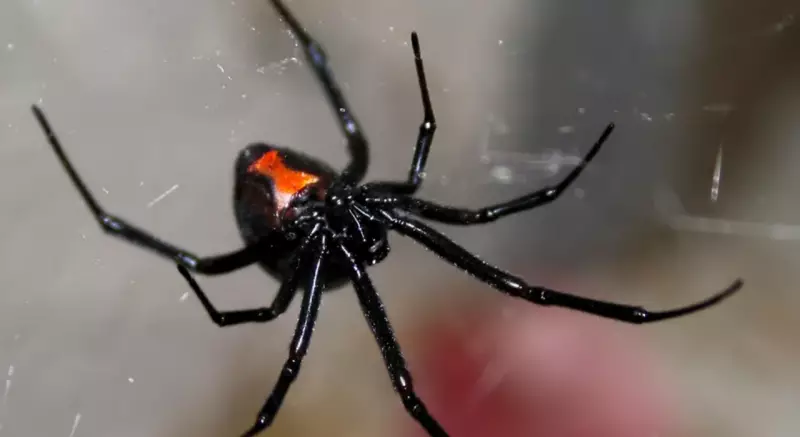
In an extreme and deliberate act, a 37-year-old woman in California injected venom from a black widow spider into her bloodstream, triggering a severe medical crisis that required intensive care. This rare case, documented in a medical report published in January 2025, highlights the extreme dangers of intentionally using toxic substances for recreational purposes.
Patient's Severe Symptoms and Risky Act
The woman arrived at a hospital emergency department with escalating and severe symptoms. She suffered from intense muscle cramps in her back, abdomen, and thighs, accompanied by a headache, anxiety, and clear signs of physiological distress. Her vital signs were elevated: high pulse, rapid breathing, and increased blood pressure, with a temperature of 99.5°F (37.5°C).
She disclosed to the doctors that she had ground up an entire black widow spider, belonging to the Latrodectus genus, mixed it with about 10 ml of distilled water, and injected the suspension intravenously in an attempt to get high. Her symptoms began roughly one hour after the injection.

Her condition deteriorated several hours after admission. She developed severe wheezing and significant breathing difficulties, which prompted her transfer to the intensive care unit. The medical team noted her known history of asthma and suspected that an allergic reaction to a protein in the venom exacerbated her respiratory problems.
Medical Diagnosis and Intensive Treatment
Clinicians confirmed that her symptoms were caused by exposure to black widow venom, a neurotoxin known to disrupt nervous system signalling. This exposure was far greater than a typical spider bite. While a bite delivers a minuscule amount, she had used the entire spider, potentially receiving a dose orders of magnitude higher than normal. On average, a black widow's venom glands contain only about 0.2 milligrams of venom.
The treatment was complex. Doctors first gave intravenous calcium gluconate for muscle cramps, with little improvement. Morphine was administered for pain control. For her breathing issues, ICU staff tried three rounds of albuterol, a standard asthma medication. When this failed, they switched to the steroid methylprednisolone and nebulised treatment.
A critical decision was to avoid black widow antivenin. Due to the risk of a severe allergic reaction called anaphylaxis, and given her already compromised breathing, doctors feared the antivenin could worsen her state. Instead, they continued supportive care with morphine and lorazepam to manage spasms and pain.
Recovery and Why This Case is Exceptional
Thankfully, the woman responded to the supportive treatment. By the second day, her breathing normalized, her lungs cleared, and her muscle pain resolved. She was moved to a general ward and discharged the next day with instructions to continue her asthma meds and take oral steroids.
This case stands out because most black widow exposures are accidental. In the United States, about 2,600 bites from Latrodectus species are reported yearly, usually occurring when people accidentally disturb spiders. Deliberate exposure for recreational effects is rare but documented in medical literature. In a similar 2023 incident, an eight-year-old boy in Bolivia let a black widow bite him, believing it would give him Spider-Man-like powers.
The clinicians emphasized that injecting venom directly into the bloodstream bypasses the body's natural defensive barriers, dramatically amplifying its toxicity. This risk is especially high for individuals with pre-existing conditions like asthma, turning a dangerous experiment into a life-threatening situation.






