

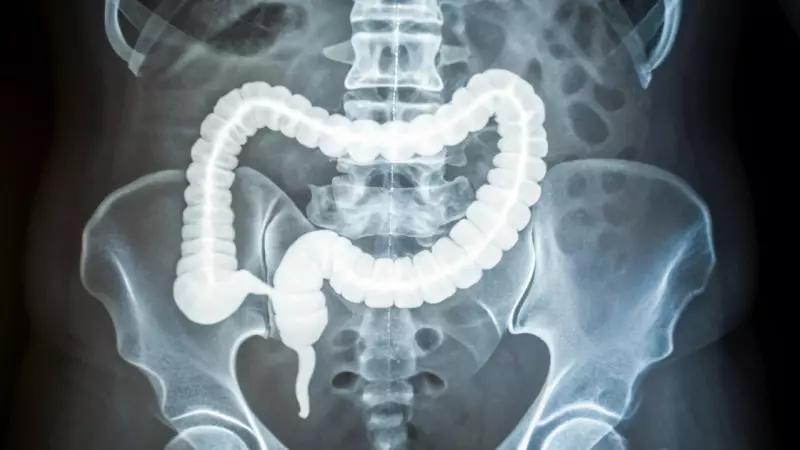
A groundbreaking new study has uncovered a critical biological clue behind the disturbing global surge in colorectal cancer cases among younger adults. Published in The Journal of Advanced Sciences, the research identifies increased stiffness in colon tissue, resulting from years of low-grade inflammation, as a potential early warning sign and accelerator for tumor growth.
The Alarming Shift in Colorectal Cancer Demographics
For decades, colorectal cancer was primarily considered a disease of older populations, with most diagnoses occurring after the age of 50. While screening programs like colonoscopies have successfully reduced cases and deaths in that age group, a worrying reverse trend has emerged. Since 2020, early-onset colorectal cancer, defined as occurring before age 50, now accounts for roughly 12% of all U.S. diagnoses. This rate is climbing sharply, with projections indicating it could double by 2030, particularly among individuals in their 20s to 40s.
Experts have long pointed to modern lifestyle factors—diets high in processed foods, obesity, and environmental irritants—as potential culprits. These elements are believed to cause chronic, low-level inflammation in the gut. This inflammation doesn't cause immediate symptoms but silently sets the stage for cellular damage over time, creating a fertile ground for cancer development.

Decoding the Tissue: Stiffness as a Key Differentiator
The recent study delved deep into the physical properties of colon tissue from younger patients. Researchers discovered that samples from early-onset cases were significantly more rigid than those from older patients. Upon closer examination, they found the cause: thicker, longer, and more mature strands of collagen protein, meticulously aligned. This pattern is a classic hallmark of scarring caused by repeated inflammation.
Genetic analysis confirmed these observations, showing heightened activity related to collagen processing, the formation of new blood vessels, and ongoing immune responses in the tissues of younger patients. This combination of factors transforms the colon's microenvironment into a hardened landscape.
How a Stiff Colon Fuels Cancer Growth
The research reveals a fascinating and concerning mechanism. Chronic gut inflammation leads to scarring, which stiffens the colon walls—a process similar to that seen in breast or pancreatic cancers. Cells sense this mechanical stress through a process called mechanotransduction. Essentially, the physical squeeze flips genetic switches inside cells, triggering biochemical signals that command them to proliferate and spread aggressively.
To test this theory, scientists grew colorectal cancer cells on surfaces mimicking various stiffness levels. On stiffer surfaces, the cells multiplied much faster. In a more advanced experiment, the team created 3D organoids—miniature tumor models—from patient cells. Those placed on rigid foundations grew larger and more rapidly than others. This evidence suggests a stiff tissue environment doesn't merely allow existing cancer to thrive; it may actively push normal cells toward becoming malignant.
Expert Insights and Future Implications
Professor Emina Huang, a colon and rectal surgery expert at UT Southwestern who led the study, describes the findings as a potential game-changer. She emphasizes that tissue stiffness appears to develop before tumors form, offering a novel biomarker for risk assessment. Her colleague, bioengineering expert Jacopo Ferruzzi, notes the consistency of these mechanical patterns across different tissue scales, firmly linking scar tissue to abnormal cellular signaling.
The study, detailed in Advanced Science, opens new avenues for early detection and treatment. Professor Huang envisions a future where stiffness tests, similar to how mammograms assess breast density, become a routine screening tool for at-risk younger individuals. Furthermore, therapies that block the force-sensing pathways identified in the study—already in trials for other cancers—could prove effective in slowing or preventing colorectal cancer growth in this burgeoning young patient population.






