

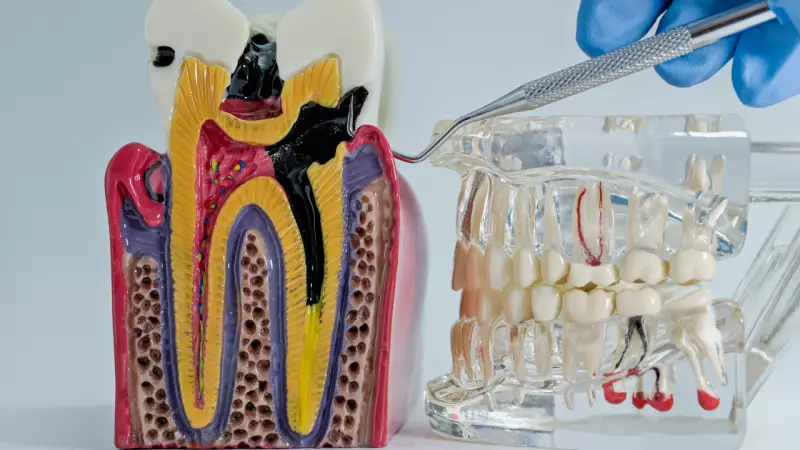
A routine dental procedure turned into a medical emergency for a diabetic woman, who experienced sudden and severe vision loss in one eye just three days after a tooth extraction. This alarming case, managed by vitreoretinal specialist Dr. Ashish Markan, highlights a rare but devastating connection between oral health and eye safety.
Understanding the Silent Threat: Metastatic Endophthalmitis
The diagnosis was metastatic endophthalmitis, a severe internal eye infection. This condition occurs when bacteria travel through the bloodstream from a distant site in the body and invade the eye's delicate interior chambers. The infection causes intense inflammation and fills the vitreous gel—the clear jelly filling most of the eyeball—with pus, threatening permanent, irreversible damage to vision.
In this instance, the source was the patient's mouth. Tooth extractions commonly cause transient bacteremia, a brief period where oral bacteria like streptococci enter the bloodstream. A healthy immune system typically clears these invaders within minutes. However, for individuals with compromised defenses, these bacteria can settle in the eye, multiply rapidly, and create pus-filled pockets that cloud vision almost overnight.

Why Diabetes Creates a Perfect Storm for Infection
The patient's uncontrolled diabetes played a critical role in this medical crisis. High blood sugar levels impair the body's natural defenses in several ways: they thicken the blood, weaken white blood cells' ability to fight infection, and can even provide a food source for bacteria. Furthermore, diabetics often have pre-existing retinal damage (diabetic retinopathy), where leaky blood vessels create an easy entry point for invading pathogens.
Dr. Markan's examination revealed textbook signs of the infection. The patient's vision had deteriorated to only seeing hand motions, and a layer of pus, known as hypopyon, had settled at the bottom of the eye. Clinical clues pointed directly to an infectious origin spreading from the dental site via the bloodstream, confirmed by the presence of pus in the ocular fluids.
The Urgent Surgical Battle to Save Vision
Time was of the essence. Dr. Ashish Markan performed an emergency vitrectomy, the core surgical treatment for this condition. This procedure involves removing the infected vitreous gel, washing the eye's interior, and injecting powerful antibiotics directly into the eye—vancomycin for gram-positive bacteria and ceftazidime for gram-negative ones. The patient also received systemic antibiotics to combat any body-wide spread of the infection.
Thanks to this prompt intervention, the patient regained partial vision. Full recovery odds in such cases range between 40-60 percent, heavily dependent on timing. Follow-up care is crucial to monitor for complications like retinal scarring, increased eye pressure, or detachment. Some patients may require repeated procedures or steroids to manage inflammation.
Key Takeaways for Prevention and Awareness
While metastatic endophthalmitis after dental work is rare—occurring in roughly 0.1 percent of cases—its impact is swift and severe. The eye has a limited blood supply, making it difficult to fight off infections once they take hold. Diabetics face a risk two to three times higher than the general population.
Prevention hinges on proactive management:
- Tight blood sugar control before any surgical or dental procedure is paramount to stabilize the body's immune response.
- Maintaining excellent oral hygiene reduces the overall bacterial load that could enter the bloodstream.
- Regular diabetic eye screenings can identify vulnerable blood vessels before a problem arises.
This case powerfully underscores the unexpected connections within the human body. The successful, though partial, restoration of the patient's sight serves as a stark reminder that in conditions like metastatic endophthalmitis, every second counts, and vigilance is the key to protecting one of our most precious senses.






