For most 19-year-olds, life is a whirlwind of exams, future plans, and everyday anxieties. But for one teenager from Newcastle, what began as seemingly ordinary stress symptoms spiralled into a medical emergency that redefined her existence. This is a harrowing account of how repeated warnings from her body were overlooked, a sudden collapse led to a shocking diagnosis, and living with an inoperable brain tumour became her stark new reality.
From Exam Hall Discomfort to Medical Dismissal
It was during her examinations that the young woman first noticed alarming changes. Her exam papers would inexplicably swim with colours, triggering waves of nausea and disorientation. Simple acts like walking in a straight line became a challenge; she found herself leaning to one side and experiencing sudden, unexplained bouts of unsteadiness. Persistent back pain added to her growing discomfort.
Concerned, she visited her General Practitioner multiple times. On each occasion, her symptoms were attributed to the intense pressure of exam season. The standard advice was to take vitamins and get more rest. Despite following this guidance, the troubling signs did not abate. They were, in fact, the silent cries of a growing crisis within her skull.

The Fateful Collapse and Shocking Diagnosis
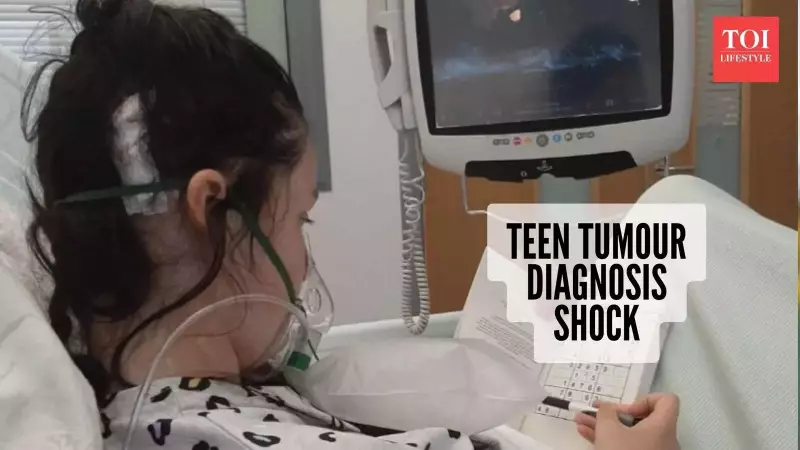
The turning point arrived in June 2022. While at a routine GP appointment with her mother, the teenager went to the toilet and lost consciousness. For nearly 25 minutes, she lay behind a locked door, unresponsive. When she finally regained awareness, emergency responders were on the scene. Rushed to hospital by ambulance, her case was swiftly upgraded from 'stress' to a life-threatening situation.
Doctors identified a critical condition: severe hydrocephalus. This occurs when excess cerebrospinal fluid builds up in the brain's ventricles, creating dangerous pressure that can damage brain tissue and prove fatal if not treated immediately. Urgent MRI and CT scans uncovered the root cause: a brain tumour was obstructing the normal flow of this fluid. The tumour had been growing undetected, producing symptoms that were tragically easy to dismiss.
Emergency Surgery and a Permanent Lifeline
Medical professionals moved with urgency. They explained that without immediate surgical intervention, she would not survive. To relieve the life-threatening pressure, surgeons implanted a shunt device. This thin tube drains excess fluid from the brain to another part of the body where it can be absorbed.
Further surgery confirmed a bittersweet revelation: the tumour was benign (non-cancerous). However, its precarious location made complete surgical removal impossible. In a poignant twist of fate, on the evening her peers were celebrating their school prom, she underwent another procedure to fit a permanent drainage system. Her milestone was a stark lesson in life's fragility.
Life Today: Stability and Lasting Impact
Today, the young woman works in retail and undergoes MRI scans every eight months to monitor the tumour, which remains stable but permanently present. A constant companion is chronic tiredness, a common side effect of living with a shunt. Processing a diagnosis of this magnitude at such a young age brought immense fear and disbelief. Yet, her story is also woven with profound gratitude—for the doctors who saved her life and for the chance to live forward, albeit with an enduring shadow of uncertainty.
Why This Story Matters: A Crucial Awareness
Organisations like The Brain Tumour Charity emphasise that every diagnosis impacts families uniquely. This case underscores a vital public health message: persistent symptoms warrant thorough investigation, even when stress offers a convenient explanation. The NHS lists common brain tumour indicators which include:
- Persistent headaches
- Seizures
- Vision problems
- Nausea and dizziness
- Personality or behavioural changes
- Weakness or numbness on one side of the body
These signs can develop gradually and often mimic everyday ailments. This overlap is precisely why listening to one's body and seeking prompt medical consultation is critical.

Disclaimer: This article is intended for awareness and informational purposes only. It is not a substitute for professional medical advice, diagnosis, or treatment. Anyone experiencing persistent or unusual symptoms should consult a qualified healthcare professional without delay.