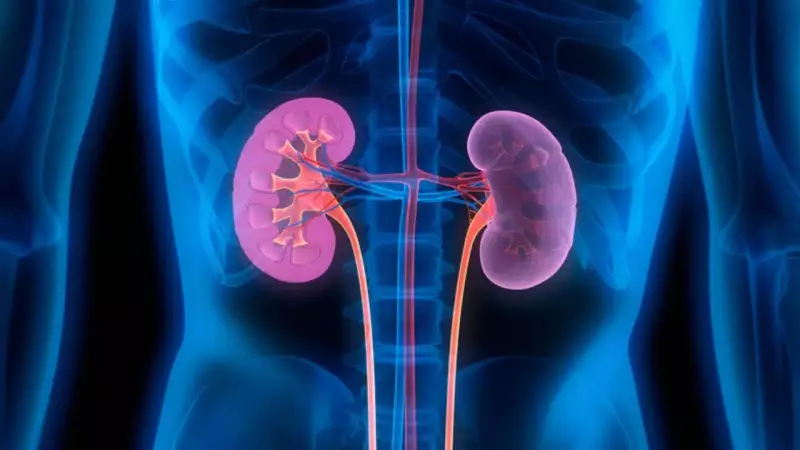
Our kidneys perform a multitude of vital tasks silently, from filtering waste and balancing bodily fluids to regulating blood pressure and aiding red blood cell production. However, persistent stress from factors like poor diet, dehydration, hypertension, or diabetes can impair their function. This deterioration significantly raises the risk of chronic kidney disease, kidney stones, and other serious health complications.
The Rising Threat of Diabetic Kidney Disease
Among these growing concerns, Diabetic Kidney Disease (DKD) has emerged as a prevalent and severe complication affecting millions living with diabetes, both type 1 and type 2. Prolonged high blood sugar levels damage the delicate blood vessels within the kidneys, hampering their filtering ability. If undetected and unmanaged, DKD can progress to chronic kidney disease and even end-stage renal failure, necessitating life-altering treatments like dialysis or a kidney transplant.
Early detection is crucial for slowing progression and preventing severe outcomes. Unfortunately, conventional tests such as estimated glomerular filtration rate (eGFR) or urine albumin do not always catch the earliest warning signs. This diagnostic gap highlights the urgent need for more accessible and sensitive screening tools.

RAR: A Promising New Diagnostic Marker from Routine Tests
In a significant development, researchers have identified a novel biomarker derived from standard blood tests that could transform early DKD screening. This marker is known as the red cell distribution width-to-albumin ratio (RAR).
RAR is calculated using two common parameters from a complete blood count and metabolic panel:
- Red Cell Distribution Width (RDW): This measures the variation in size of red blood cells. Elevated RDW often indicates underlying inflammation or nutritional deficiencies.
- Serum Albumin: This is a protein produced by the liver. Low levels can signal poor nutritional status or chronic inflammation.
A higher RAR value, resulting from increased RDW and decreased albumin, points to a state of chronic inflammation and suboptimal nutrition—both key drivers of kidney damage in diabetes.
Analysis of data from the National Health and Nutrition Examination Survey (NHANES) revealed a compelling correlation: adults with diabetes who had a higher RAR showed a substantially greater risk of developing DKD. This positions RAR as a potential game-changer for monitoring kidney health in diabetic patients, offering an easier and more economical method for early risk assessment and intervention.
Why RAR Matters for Diabetes Care in India
The practical implications of RAR are profound, especially for a country like India with its vast diabetic population. Since RDW and albumin tests are inexpensive and routinely performed, RAR can be seamlessly integrated into standard diabetes care across various healthcare settings, including resource-limited clinics.
Identifying high-risk individuals early empowers doctors to initiate timely interventions. These can include dietary modifications, tighter blood sugar and blood pressure control, and prescribing kidney-protective medications. It is important to note that the current research establishes a strong association, not causation. More longitudinal studies are needed to confirm if a high RAR definitively predicts future DKD onset. Nevertheless, its strength as a screening tool to flag patients requiring closer monitoring is clear.
The Bigger Picture: Inflammation, Nutrition, and Kidney Health
The discovery of RAR underscores the central role of inflammation and nutritional status in the progression of diabetic kidney damage. Sustained high blood sugar creates oxidative stress and immune activation, injuring the kidney's tiny filters (glomeruli), leading to scarring and declining function.
RAR is part of a new wave of composite markers that combine inflammatory and nutritional data for better risk stratification. Others, like the Neutrophil Percentage-to-Albumin Ratio (NPAR) and the Systemic Immune-Inflammation Index (SII), have also been linked to DKD risk. These findings confirm that integrated markers provide a sharper risk assessment than traditional parameters alone.

The Path Forward for RAR
The future clinical utility of RAR hinges on its simplicity, cost-effectiveness, and derivation from existing data. The next steps for researchers involve conducting long-term studies to validate RAR's predictive power for DKD development. Clinical trials will also explore whether interventions guided by RAR—such as nutritional support or anti-inflammatory therapies—can effectively slow kidney damage. Furthermore, scientists aim to integrate RAR into comprehensive risk models alongside eGFR, urinary albumin, and other emerging biomarkers to create precise, personalized prediction tools.
If further evidence supports these early findings, RAR could become a cornerstone of routine DKD screening. This would enable a proactive approach in diabetes management, helping to safeguard kidney function and overall health for millions at risk.