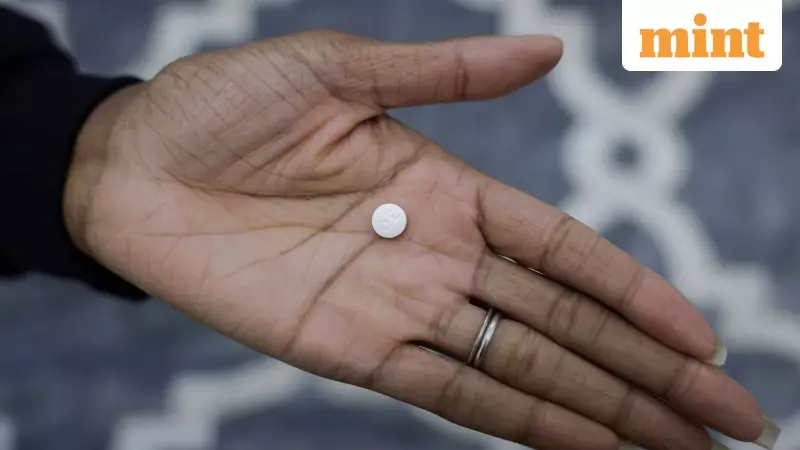
In a significant move aimed at enhancing patient safety and curbing misuse, India's top drug regulator has proposed new rules requiring emergency contraceptive pills to carry QR codes on their packaging. This initiative targets popular brands like Unwanted-72, i-pill, and ella, which contain levonorgestrel and ulipristal.
What the New DCGI Rules Entail
The Drugs Controller General of India (DCGI) plans to tighten the sale and distribution norms for emergency contraceptive pills. According to officials and a document reviewed by Mint, the new mandate will require these pills to feature a QR code that links to comprehensive product information.
This digital link will provide users with verified details on dosage, contraindications, potential drug interactions, side effects, storage instructions, and crucial patient counselling guidance. The move is part of a broader regulatory effort to address overuse and widespread misinformation in India's vast contraceptive market, valued at approximately $1.7 billion.

Addressing Critical Safety Gaps and Misuse
A key objective is to correct dangerous misconceptions. The QR-linked information will carry explicit warnings stating that these pills should not be used more than twice in a month and that they do not offer protection against HIV or other sexually transmitted infections (STIs).
Dr. Archana Dhawan Bajaj, a gynaecologist and IVF expert at Nurture in Delhi, highlighted the clinical urgency behind this step. "A major issue witnessed in clinical practice is that most women tend to take emergency contraceptive pills as a regular birth control method instead of a last resort," she said, warning that frequent use can lead to hormonal imbalances and menstrual irregularities. "The suggested QR code can help explain safe usage and correct myths, such as the belief that these pills protect against STIs."
Industry Impact and Broader Family Planning Goals
The regulation will impact major pharmaceutical players in the contraceptive space, including Mankind Pharma (Unwanted-72), Piramal Pharma (i-pill), Cipla, and Hindustan Lifecare Limited (Saheli). These companies had not provided official comments when queried earlier in the week.
The proposal stems from the recommendations of a government sub-committee formed in 2023 to amend the Drug Rules, 1945, concerning Levonorgestrel tablets. The committee advocated for comprehensive package inserts and prominent boxed warnings on all emergency contraceptives.
Poonam Muttreja, Executive Director of the Population Foundation of India, welcomed the regulatory change but emphasized the need for a holistic approach. "To better advance India's family planning goals, we also need better counselling, comprehensive sexuality education, and far greater engagement with men as informed partners," she stated, adding that clear guidance from healthcare providers and pharmacists remains vital.
This initiative aligns with similar government mandates for vaccines and antibiotics, aiming to enhance drug traceability, bridge the information gap for consumers, and ensure that emergency contraceptives are used safely and effectively as intended.