

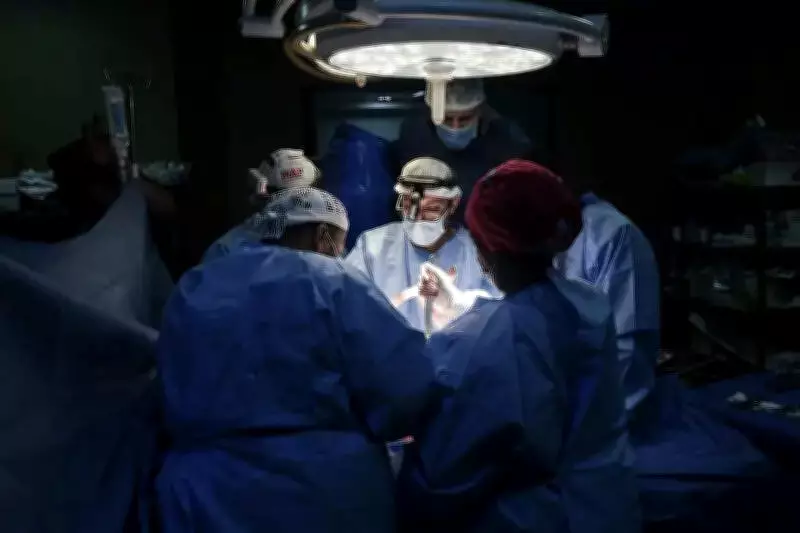
Pune's Papaya-Sized Miracle: 23-Week Preemie Triumphs After 104-Day NICU Battle
In an extraordinary medical achievement, a baby boy born at merely 23 weeks of gestation has been successfully discharged from a Pune hospital after a grueling 104-day fight for survival in the neonatal intensive care unit. The infant, who entered the world on October 1, 2025, weighing a fragile 670 grams—comparable to the size of a papaya—has overcome a daunting series of life-threatening complications to return home stable and thriving.
A High-Risk Beginning and Immediate Medical Intervention
The infant's challenging journey unfolded at Surya Mother & Child Super Speciality Hospital in Pune, where his care became a rigorous test of advanced medical expertise. Dr. Sachin Shah, director of neonatal and paediatric intensive care services, described the situation as an extremely high-risk start to life. He explained that at 23 weeks, a baby's lungs are only beginning to produce surfactants, the critical substances that enable lung expansion.
Breathing support emerged as the most urgent priority for this exceptionally premature newborn. The medical team intubated him immediately after birth, providing ventilator support and administering surfactant doses to assist his underdeveloped respiratory system.

Overcoming Multiple Severe Medical Complications
The baby's survival is particularly remarkable given the extensive array of medical hurdles he confronted during his prolonged hospital stay. His fragile body battled:
- A fungal bloodstream infection caused by Candida albicans
- Chronic lung disease requiring ongoing respiratory support
- Neonatal jaundice affecting his liver function
- Anemia of prematurity compromising his blood health
Additionally, he survived early-stage necrotising enterocolitis, a severe intestinal disease that can be fatal in premature infants, along with a CMV infection and retinopathy of prematurity—a condition that threatens vision loss. The medical team faced unprecedented challenges in providing basic care due to his extremely fragile skin.
Innovative Care for Delicate Skin and Simulated Womb Environment
Dr. Shah recounted how during the first week, the baby's skin began peeling over his chest, necessitating specialized wound care approaches. The medical staff employed silicone tape instead of regular adhesives and applied protective dressings over pressure points like knees and elbows. They maintained the infant in a carefully humidified incubator designed to mimic the protective environment of the womb as closely as possible.
Context of Preterm Births in India and Hospital Preparedness
This case gains additional significance against the backdrop of India reporting the highest number of preterm births globally, with approximately 3.5 million cases occurring annually. Dr. Amita Kaul, head of the department and senior paediatric consultant, emphasized that hospitals must maintain high levels of equipment and expertise to manage such delicate preterm cases effectively.
Signs of Healthy Recovery and Developmental Milestones
The baby is now demonstrating encouraging signs of a healthy recovery. Dr. Kaul reported that he is currently on oral feeds and breastfeeding successfully. During a review in late February, medical staff observed normal weight gain patterns. The infant is smiling, sucking, and swallowing well, and has begun recognizing his mother—deeply reassuring developmental milestones for a baby born at just 23 weeks, roughly halfway through a full-term pregnancy.
Discharge Preparation and Home Care Planning
The family's emotional journey reached a significant milestone on April 1 when the baby received medical clearance for discharge. To ensure his continued safety at home, the hospital provided an ambu bag and oxygen cylinder for emergency respiratory support. The parents underwent intensive CPR training to prepare them for handling potential emergencies, equipping them with crucial life-saving skills.
Having survived a 104-day medical odyssey that few believed possible, this papaya-sized miracle baby has now embarked on his life outside hospital walls, representing both a personal triumph and a testament to advancing neonatal care capabilities.






