

Preterm Twin Overcomes Rare Birth Defect with Intensive Care and Surgery in Pune
A 35-week-old preterm twin has achieved a remarkable survival after battling a rare and life-threatening birth defect, following nearly two months of intensive care and a high-risk surgical intervention at a hospital in Pune. The infant was admitted on October 14, 2025, presenting with severe respiratory distress and sepsis, which prompted immediate medical attention.
Diagnosis of a Rare Condition
Doctors at Sahyadri Hospitals' MomStory unit quickly identified the baby's condition as a left-sided congenital diaphragmatic hernia (CDH). This rare defect, affecting approximately one in 3,000 live births, occurs when an opening in the diaphragm allows abdominal organs to move into the chest cavity, severely impeding lung development. Medical experts highlighted the complexity of this case, citing the baby's prematurity, the challenges of a twin pregnancy, and an ongoing active infection as critical factors.
"The baby exhibited severe breathing difficulties immediately after birth and required advanced respiratory support," explained Pradeep Suryawanshi, director of neonatology and paediatrics at Sahyadri Hospitals. "Our investigations confirmed CDH, which had significantly compromised the infant's lung function."

Advanced Medical Interventions
Since conventional ventilation methods proved insufficient, the neonatal intensive care unit (NICU) team employed high-frequency oscillatory ventilation (HFOV) to sustain the infant's life. For a period of two weeks, the medical team concentrated solely on stabilising the baby's fragile vital signs before considering surgical options.
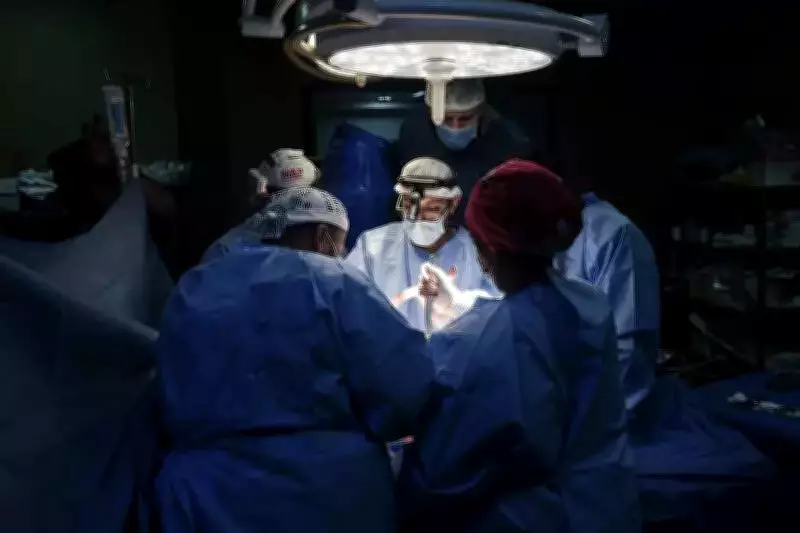
The critical corrective surgery was performed on October 27. At that time, the infant remained dependent on a ventilator and multiple life-saving medications, rendering the procedure exceptionally risky. "Performing surgery on a preterm neonate who is ventilator-dependent presents a massive challenge," Suryawanshi noted. "We waited until clinical indicators suggested the baby was stable enough to withstand the procedure, though the risks remained significant."
Recovery and Discharge
Post-surgery, the infant underwent weeks of prolonged intensive care and continuous monitoring for potential complications related to lung function and infection. Gradually, the baby's condition showed improvement, and the medical team successfully weaned the infant off respiratory support. After six weeks in the NICU, the baby was discharged on November 29 in stable condition and is now feeding orally, marking a significant milestone in recovery.

- The case underscores the advancements in neonatal care for rare birth defects.
- It highlights the importance of specialised medical teams in handling complex preterm cases.
- The successful outcome demonstrates resilience and medical expertise in critical situations.





