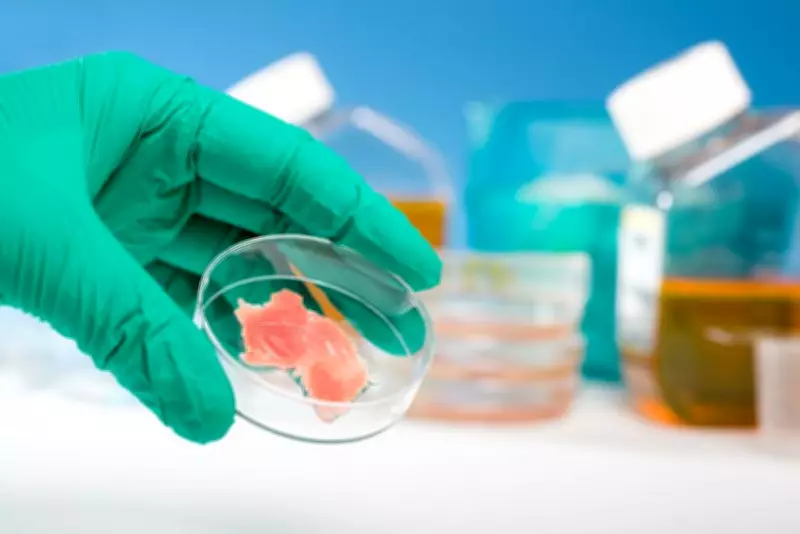
Organoids: Lab-Grown Human Tissues Revolutionize Biomedical Research
In a groundbreaking development, organoids—miniature, three-dimensional lab-grown human tissues—are emerging as a transformative force in biomedical research. These sophisticated structures, derived from stem cells, replicate the complexity and functionality of real human organs, offering unprecedented opportunities for scientific advancement.
What Are Organoids and How Are They Created?
Organoids are self-organizing, multicellular constructs that mimic the architecture and physiology of organs such as the brain, liver, kidney, and intestines. Scientists cultivate them from pluripotent stem cells, which are coaxed into differentiating into specific cell types under controlled laboratory conditions. This process allows researchers to generate tiny, functional versions of human tissues that can be used for a wide range of experimental purposes.
Applications in Disease Modeling and Drug Development
The potential applications of organoids are vast and varied. In disease modeling, they enable researchers to study complex conditions like cancer, Alzheimer's, and cystic fibrosis in a human-relevant context. By creating organoids from patient-derived cells, scientists can observe disease progression and test therapeutic interventions in a personalized manner.

In drug development, organoids offer a more ethical and accurate alternative to animal testing. Pharmaceutical companies can use these lab-grown tissues to screen potential drug candidates for efficacy and toxicity, reducing the reliance on animal models and accelerating the path to clinical trials. This not only enhances the safety profile of new medications but also lowers research costs.
Advancing Personalized Medicine
One of the most promising aspects of organoid technology is its role in personalized medicine. By generating organoids from individual patients, healthcare providers can tailor treatments to specific genetic profiles. For instance, in oncology, tumor organoids can be used to predict how a patient will respond to chemotherapy or targeted therapies, leading to more effective and less invasive treatment strategies.
Challenges and Future Prospects
Despite their potential, organoids face several challenges. Current limitations include the difficulty in scaling up production, ensuring vascularization for larger tissues, and achieving full functional maturity. However, ongoing research is addressing these hurdles, with innovations in bioengineering and tissue culture techniques paving the way for more sophisticated models.
Looking ahead, the integration of organoids with other technologies, such as artificial intelligence and CRISPR gene editing, holds promise for even greater breakthroughs. As these lab-grown tissues become more advanced, they are poised to redefine biomedical research, offering new insights into human biology and transforming healthcare delivery.
Conclusion
Organoids represent a significant leap forward in biomedical science, bridging the gap between traditional cell cultures and whole-organ studies. Their ability to model human diseases, test drugs, and personalize treatments underscores their importance as a tool for future medical innovations. As research progresses, organoids are set to play a central role in shaping the next generation of therapeutic strategies and improving patient outcomes worldwide.