

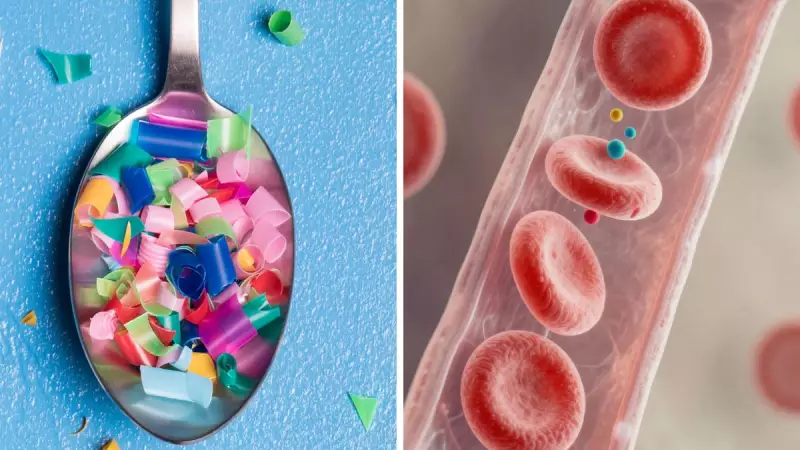
In a discovery that sounds like it's straight out of a science fiction novel, scientists have confirmed a disturbing reality: tiny plastic particles are not just polluting our oceans and soil, but are now circulating inside our own bodies, with potentially deadly consequences for our hearts. A landmark new study has established a direct and alarming link between the presence of microplastics in the human bloodstream and a significantly increased risk of major cardiovascular events like heart attacks and strokes.
The Shocking Findings from the Italian Study
Researchers from the University of Campania Luigi Vanvitelli in Italy conducted a meticulous study, published in the prestigious New England Journal of Medicine on March 7, 2024. The team analyzed fatty tissue removed from the carotid arteries of 257 patients undergoing surgery. The carotid arteries are crucial blood vessels in the neck that supply blood to the brain, and blockages here are a primary cause of strokes.
The results were startling. Using powerful laboratory techniques, the scientists found microplastics and even smaller nanoplastics embedded in the arterial plaque of 150 patients. These weren't just any plastics; the analysis specifically identified polyethylene (PE) and polyvinyl chloride (PVC)—two of the most commonly produced plastics in the world, used in everything from food packaging and water pipes to toys and credit cards.

But the real shock came when researchers tracked the health of these patients for nearly three years after their surgery. The data revealed a chilling correlation. Patients who had microplastics in their plaque were 4.5 times more likely to suffer a heart attack, stroke, or death from any cause compared to those whose plaque was free of plastic contamination.
How Do Plastic Particles End Up in Our Blood Vessels?
The journey of microplastics into the human body is a silent invasion. These particles, defined as being less than 5 millimeters in size, are shed from countless everyday items. Common sources include:
- Food and Water Packaging: Plastic bottles, containers, and wrappings can leach particles, especially when heated.
- Synthetic Clothing: Fabrics like polyester and nylon release microfibers during washing.
- Dust and Air: Plastic particles from tire wear, city dust, and industrial processes become airborne and are inhaled.
- Personal Care Products: Some cosmetics and toothpastes historically used microbeads.
Once ingested or inhaled, these tiny invaders are small enough to pass from our lungs and digestive tract into the bloodstream. The Italian study suggests they then travel through our circulatory system and can become lodged in the fatty plaques that build up on artery walls. The presence of these foreign, inflammatory particles appears to worsen the instability of the plaque, making it more likely to rupture. A ruptured plaque clot is the primary trigger for most heart attacks and strokes.
Beyond the Heart: The Chemical Threat of BPA
The danger isn't just from the physical plastic particles themselves. Many plastics contain chemical additives that are known to be harmful to human health. A key culprit highlighted in the broader context of plastic pollution is Bisphenol A (BPA).
BPA is a chemical used to harden plastics and is found in the lining of some food cans, plastic dinnerware, and reusable water bottles. It is a known endocrine disruptor, meaning it can interfere with the body's hormone systems. Studies have linked BPA exposure to a range of health issues, including reproductive problems, developmental issues in children, and an increased risk of certain cancers. When microplastics containing BPA enter the body, they provide a direct pathway for this harmful chemical to leach into our tissues and bloodstream.
The combination of physical particle pollution and toxic chemical exposure creates a double-edged sword for public health, with cardiovascular disease being just one potential outcome.

What Can We Do? Steps for Risk Reduction
While the problem of global plastic pollution requires large-scale policy and industrial solutions, individuals can take steps to reduce their personal exposure to microplastics. Health experts recommend the following precautions:
- Avoid Heating Food in Plastic: Never microwave food in plastic containers or with plastic wrap. Use glass or ceramic instead.
- Choose Alternatives to Plastic Bottles: Opt for stainless steel or glass water bottles and food containers.
- Minimize Dust Inhalation: Regularly vacuum and damp-dust your home, especially if you live in a high-traffic urban area.
- Be Mindful of Packaging: Choose fresh, unpackaged foods when possible, and avoid single-use plastics.
- Filter Your Water: Consider using a water filter certified to reduce microplastics.
The study's authors, led by Dr. Raffaele Marfella, emphasize that while more research is needed to fully understand the cause-and-effect relationship, the evidence is strong enough to sound a major alarm. "Our data will dramatically impact cardiovascular health if confirmed," they stated, calling for urgent global attention to the plastic pollution crisis, not just for the planet's health, but for the very health of our hearts.
This groundbreaking research shifts the narrative on plastic pollution from an environmental concern to a pressing, personal medical emergency. It proves that the plastic waste we generate doesn't just end up in landfills or oceans—it ends up in us, with potentially life-threatening consequences.





