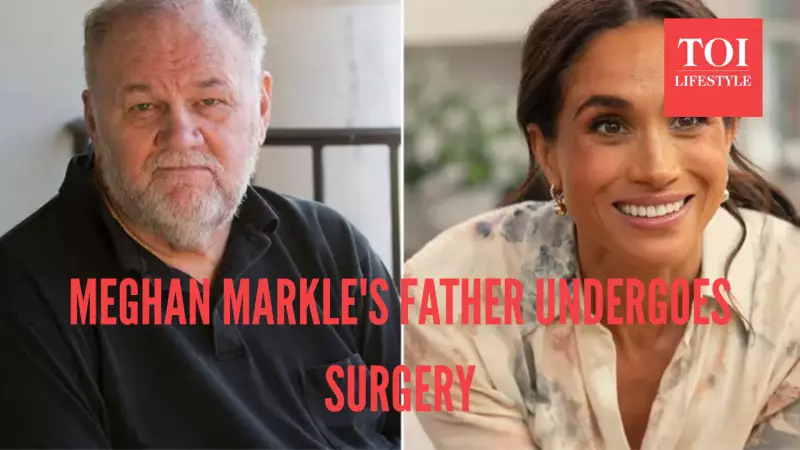
Thomas Markle, the 81-year-old father of Meghan, Duchess of Sussex, is in a critical condition and fighting for his life after undergoing emergency surgery in the Philippines. The elderly patient, who has a history of serious cardiovascular problems, faced a life-threatening medical crisis this week.
Emergency Surgery and Critical Condition
According to reports, Thomas Markle suddenly fell severely ill at his home in the Philippines. His son, Thomas Markle Jr., rushed him to a local hospital. After initial scans, doctors determined his life was in immediate danger and transferred him via ambulance to a larger medical facility for urgent surgical intervention.
The surgery, which lasted approximately three hours, was performed in the intensive care unit. Family members have stated that he is expected to need a further procedure to remove a blood clot. His children have publicly requested prayers and positive thoughts, confirming he remains in a critical state, "fighting for his life."

A History of Cardiovascular Struggles
This latest emergency is compounded by Markle's complex medical history, which makes him particularly susceptible to dangerous complications. The family revealed he suffered two heart attacks prior to Meghan and Prince Harry's wedding in 2018.
In 2022, he endured a major stroke that robbed him of his ability to speak. He underwent therapy to regain some communication skills. These past incidents point to ongoing cardiovascular disease, significantly elevating the risks of developing further blood clots, heart problems, or another stroke, especially at an advanced age.
Why Blood Clots and Surgery Pose Extreme Danger
The medical team's focus on clot removal highlights a grave threat. Blood clots can block essential blood flow to vital organs, leading to catastrophic events like heart attacks, strokes, or pulmonary embolism.
For patients like Thomas Markle with a history of heart disease and stroke, surgery itself carries elevated risks. The cardiovascular system is under immense stress during and after procedures. Post-operative care involves meticulous monitoring of breathing, circulation, infection signs, and blood pressure to support recovery.
Recognising early warning signs is crucial, as seen in Markle's history. Health experts advocate using the FAST method for stroke identification: Face drooping, Arm weakness, Speech difficulty, and Time to call emergency services.
Key heart attack indicators include chest pain or pressure, pain radiating to the arm, jaw, or back, shortness of breath, cold sweats, nausea, and sudden extreme fatigue. Prompt medical attention is vital for survival and minimising permanent damage.
Age, Lifestyle, and Heart Health Lessons
Thomas Markle's situation underscores how age, genetics, and lifestyle choices converge to create health risks. Factors like high blood pressure, high cholesterol, diabetes, smoking, obesity, inactivity, and chronic stress collectively increase the likelihood of heart disease and stroke.
Health organisations recommend regular check-ups, monitoring blood pressure and cholesterol, quitting smoking, eating a balanced diet rich in vegetables, fruits, and whole grains, and engaging in daily physical activity like brisk walking.
For survivors of heart attacks or strokes, adhering to prescribed medications and follow-up appointments is non-negotiable to prevent recurrence.
The emotional toll on family is also significant. Reports note Thomas Markle remains estranged from Meghan but is supported by his other children. A parent's sudden severe illness can strain families, particularly where existing distance or conflict is present.
Ultimately, this personal story serves as a powerful reminder for all to prioritise heart health. Proactive measures—monitoring vital signs, heeding warning symptoms like chest pain or speech trouble, adopting daily exercise, and improving diet—can help prevent small issues from becoming life-threatening emergencies. Sharing family medical history also allows individuals to better understand their risks and take early action.